


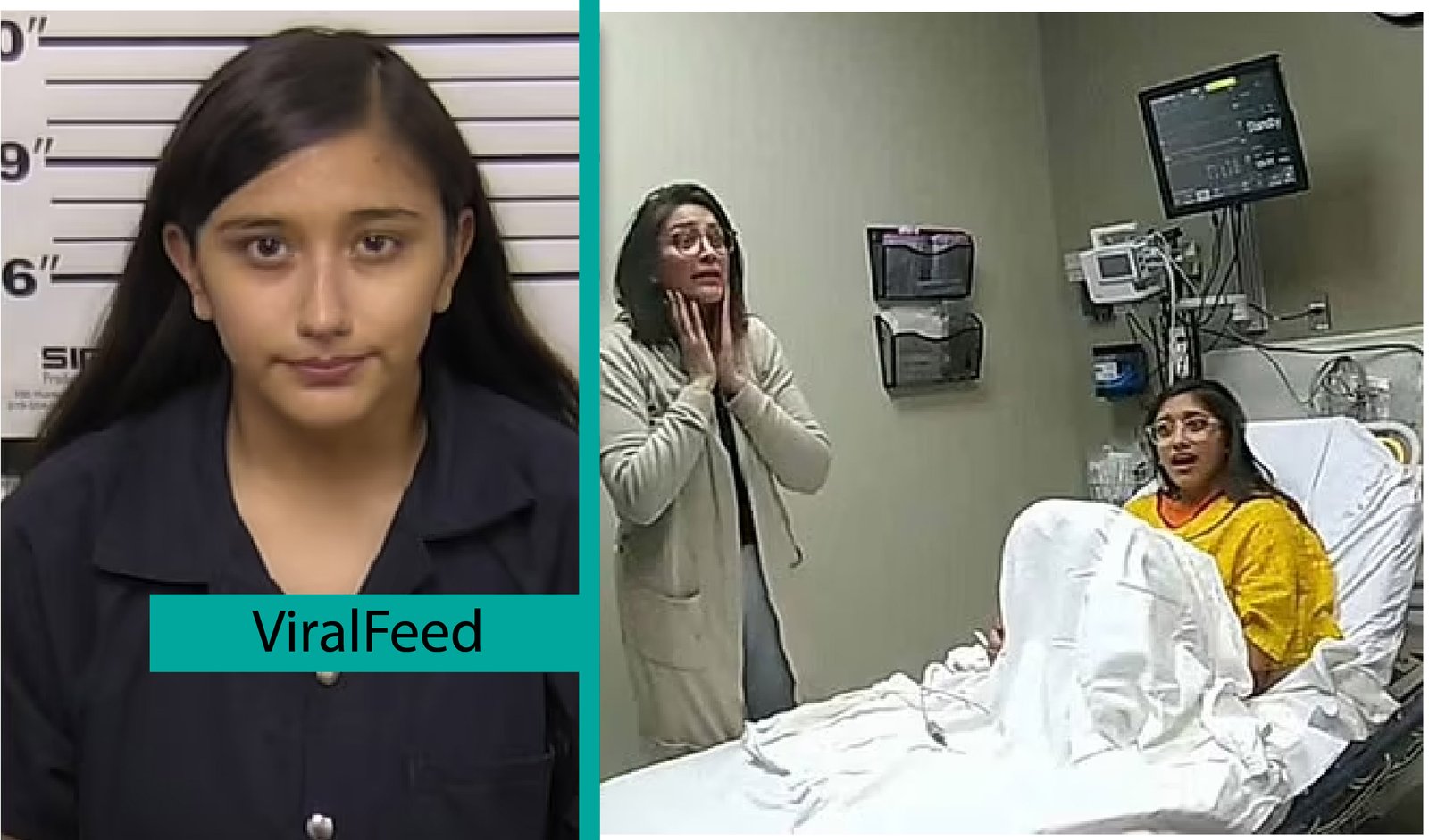
The case of Alexee Trevizo became one of the most widely discussed legal and ethical controversies in the United States after an incident at Artesia General Hospital on January 27, 2023. Trevizo, then 19 years old, arrived at the hospital complaining of severe back pain, only for staff to later discover that she had given birth in a bathroom and that the newborn was found unresponsive in a trash can. What began as a medical emergency quickly escalated into a homicide investigation, sparking nationwide debates about patient privacy, teenage pregnancy, medical responsibility, and the limits of law enforcement involvement in healthcare settings. The case drew intense media attention because it sits at the intersection of medicine, law, ethics, and youth vulnerability.
Because the case continues to evolve through court rulings, appeals, and public discussions, it is crucial to rely exclusively on verified information from court documents, police affidavits, autopsy results, and official statements rather than speculation. The purpose of this article is to provide a clear and factual timeline of events, explain the legal decisions that shaped the case, and explore the broader implications that the Alexee Trevizo case may have for healthcare protocols, patient rights, and criminal investigations moving forward.
Profile Summary: Alexee Trevizo
| Attribute | Details |
|---|---|
| Full Name | Alexee Trevizo |
| Gender | Female |
| Birth Year | 2003–2004 (approx., 19 years old at time of 2023 incident) |
| Age at Time of Incident | 19 years old |
| Hometown | Artesia, New Mexico, USA |
| Education | High school senior at time of incident; later attended college (per court records) |
| Known For | Central figure in the 2023 Artesia General Hospital newborn death case |
| Legal Status | Charged with first-degree murder and tampering with evidence; pleaded not guilty; awaiting outcome of New Mexico Supreme Court evidentiary decision |
| Attorney | Gary C. Mitchell (defense attorney) |
| Public Identifiers | Former cheerleader; widely covered in U.S. media due to case |
| Current Residence | Not publicly disclosed (protected for safety/legal reasons) |
| Family Information | Lives with mother; no additional private family details released officially |
Who Is Alexee Trevizo?
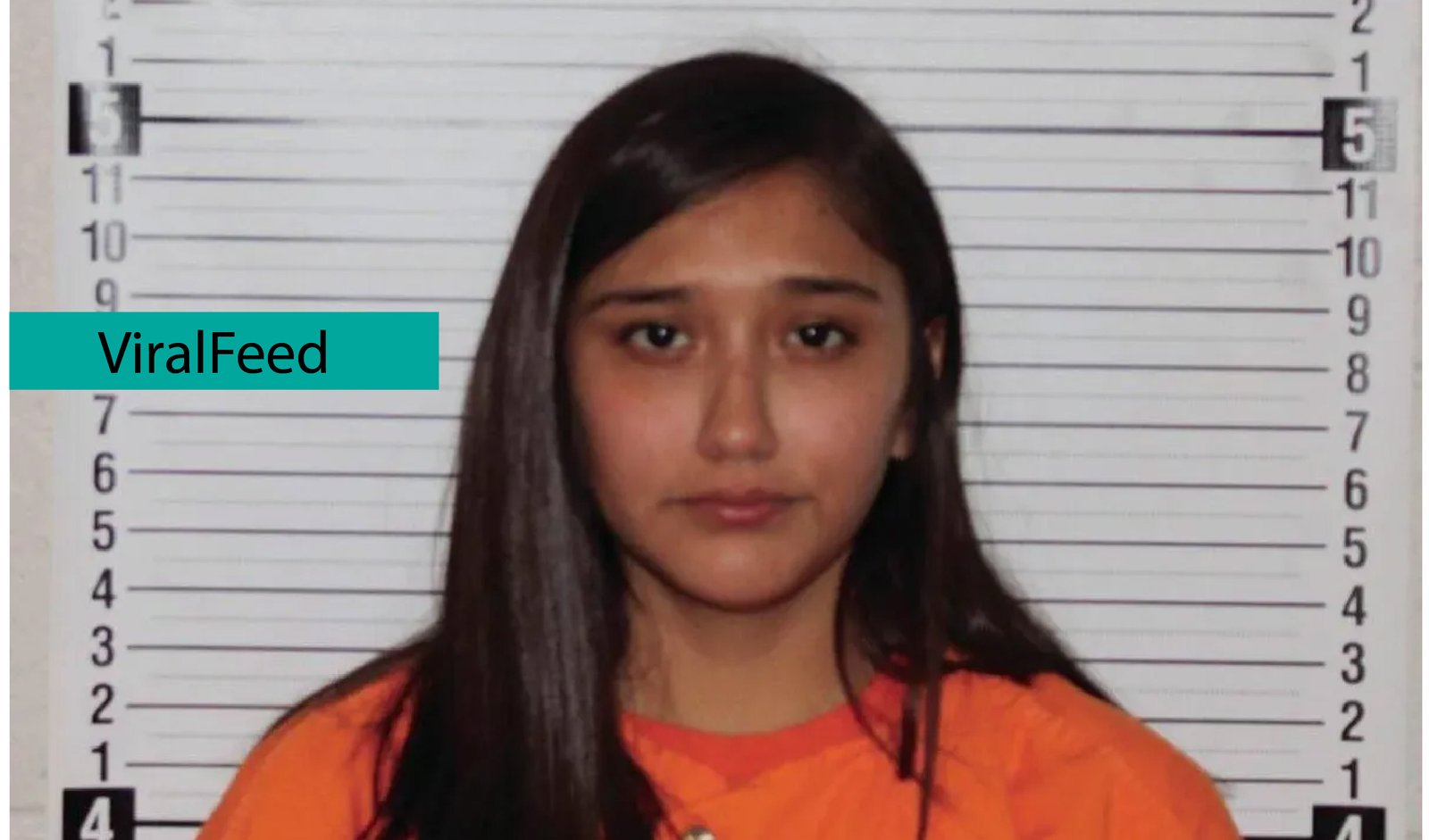
Alexee Trevizo was a 19-year-old high school student from Artesia, New Mexico, at the time of the incident. She was known locally as a cheerleader and lived with her family, who had no publicized history of legal trouble or controversy prior to this case. Very few personal details about her family life have been released due to privacy rules, but public records and reporting confirm that she was finishing her senior year of high school and preparing for graduation. The case gained massive public attention after bodycam footage and hospital surveillance video circulated online, leading to widespread discussions about how her identity became viral before any trial or verdict. This sudden exposure intensified debates about the treatment of young individuals in crisis and how quickly public judgment can form based on incomplete information.
Timeline of Events Before the Incident
According to police affidavits and hospital documentation, Alexee Trevizo arrived at Artesia General Hospital in the early morning hours of January 27, 2023. She complained of severe lower back pain, and staff initially treated her for that symptom. When asked whether she might be pregnant, she reportedly told staff she was not pregnant and said she was currently on her period. Her attending physician ordered medications that, according to a later wrongful-death lawsuit, included drugs with warnings for pregnant patients. Hospital staff then ran a pregnancy test, which returned positive. However, the lawsuit claims Trevizo was not informed of this result before she requested to use the bathroom. At that point, the documented timeline shows she walked to the restroom, and events inside the bathroom became the central focus of the case.
What Happened in the Hospital Bathroom
According to the arrest affidavit, Alexee entered the bathroom at 1:39 a.m. and remained inside for approximately 17 to 20 minutes. Nurses eventually threatened to open the door if she did not exit, and she finally came out around 1:57 a.m. Staff later entered the bathroom and discovered a significant amount of blood on the floor. A housekeeper responding to clean the bathroom noticed that the trash bag felt unusually heavy. When she opened the can further, she saw a tied trash bag covered by other waste. Inside that bag was a newborn baby boy. Nurses immediately responded and verified that the infant was not breathing. The affidavit documents that Trevizo was then escorted back to her hospital room for further medical evaluation, including an ultrasound.
Discovery of the Newborn and Initial Reactions
When hospital staff informed Alexee and her mother of what they had found, several statements were recorded on body camera footage worn by police officers present in the room. A doctor reportedly said, “We discovered a dead baby in the bathroom.” Trevizo then replied, “I’m sorry, it came out of me…” Her mother asked whether the infant had been full term, and the doctor responded that the baby appeared to be full-term. Trevizo then added, “Nothing was crying.” These statements became widely circulated. However, they were later ruled inadmissible in court due to New Mexico’s strong doctor-patient privilege laws and concerns that Trevizo was effectively in custody without receiving her Miranda rights.
Autopsy Findings and Official Cause of Death
The autopsy revealed that the infant was a full-term male who had taken at least one breath after birth, evidenced by the presence of air in his lungs. The official cause of death was listed as homicide by entrapment and asphyxiation because the newborn had been placed in a tied plastic trash bag. The autopsy also detected 19 ng/ml of morphine in the baby’s system, which the defense argues came from hospital medication administered to Trevizo before staff realized she was pregnant. Medical examiners concluded that hemorrhaging consistent with hypoxia, or lack of oxygen, contributed to the baby’s death. These findings formed the basis of the criminal charges filed against Alexee.
Criminal Charges Filed Against Alexee Trevizo
Alexee Trevizo was arrested on May 10, 2023, and charged with:
-
First-degree murder
-
Tampering with evidence
A separate child abuse charge included in earlier filings was later removed. Trevizo entered a plea of Not Guilty on all charges. The judge allowed her to remain free on bond before trial, permitting her to attend school and later enroll in college. This decision was controversial publicly, especially after photos surfaced online of her attending prom. These details contributed to the widespread emotional reactions surrounding the case.
Why Key Evidence Was Suppressed by the Judge
Judge Jane Shuler-Gray ruled that several critical pieces of evidence could not be used in trial. There were three main reasons:
Doctor-patient privilege
Statements Trevizo made in her hospital bed were considered confidential medical communications. Even though police and her mother were present, the judge ruled this did not eliminate the privilege because the conversation originated as part of medical treatment.
Potential Miranda rights violation
Officers entered the room before she was informed of her rights, and their presence—combined with being surrounded by medical staff—could have made her reasonably feel she was not free to leave.
Hospital surveillance video
Footage showing Trevizo entering and exiting the bathroom was excluded because it was deemed part of a protected medical setting.
This suppression ruling severely weakened the prosecution’s case.
State of New Mexico’s Supreme Court Appeal
Prosecutors appealed the judge’s decision, arguing that:
-
Trevizo’s statements were spontaneous, not coerced.
-
Police were not interrogating her.
-
HIPAA does not prevent reporting potential crimes.
-
Privilege should not apply when a third party is present.
However, Supreme Court justices expressed concerns, including:
-
Whether officers acted as investigators during medical examinations.
-
Whether Trevizo was effectively detained without Miranda rights.
-
Whether doctors were gathering evidence rather than strictly treating her.
The court’s pending decision is crucial because it will determine whether a trial can realistically move forward.
The Wrongful Death Lawsuit Against Artesia General Hospital
Separately from the criminal case, Trevizo’s attorney filed a wrongful death lawsuit against the hospital on behalf of the baby’s estate. Claims include:
-
Morphine was given before pregnancy was confirmed.
-
Hospital staff delayed informing her of her positive pregnancy test.
-
She was left unattended despite signs of distress.
-
Medication warnings stated risks for pregnant patients.
While the hospital has not publicly admitted fault, it is expected to argue that it followed emergency-room protocols. Importantly, civil and criminal cases operate independently, meaning one does not influence the guilt or innocence of the other.
How the Case Became a Viral National Debate
The case ignited nationwide debates for several reasons:
Privacy vs Law Enforcement
People questioned whether hospitals should involve police before informing patients of their own medical conditions.
Teen pregnancy stigma
Some argued Trevizo was a frightened teenager in crisis; others saw her actions as criminal.
Media impact
Bodycam footage and hallway video went viral long before the evidence suppression ruling, shaping public opinion.
Advocacy groups
Reproductive rights advocates, child protection supporters, and mental health professionals all reacted to the case.
Statements From Attorneys, Prosecutors, and Legal Experts
Defense attorney Gary Mitchell argues:
-
Trevizo did not know she was pregnant.
-
Hospital negligence contributed to the baby’s death.
-
She was denied privacy and her rights.
Prosecutors maintain:
-
The baby was born alive.
-
Her statements showed awareness of the birth.
-
Suppressed evidence is essential for prosecution.
Legal experts widely note that the case highlights rare overlaps between medical privilege and criminal law.
The Possible Legal Outcomes Once the Supreme Court Rules
If evidence remains suppressed:
-
A full murder trial may be impossible.
-
Charges could be dropped or reduced.
If evidence becomes admissible:
-
A new trial date will likely be set.
-
Prosecution gains access to key statements and videos.
If only partial evidence is allowed:
-
Case becomes harder to predict and jury interpretation becomes crucial.
Public Safety, Ethics, and Healthcare Lessons from the Case
This case raises important questions for hospitals nationwide:
-
Should emergency rooms adjust policies for patients who may be concealing pregnancies?
-
How should medical privacy and law enforcement obligations be balanced?
-
What protections should teenagers in crisis receive?
-
How can hospitals prevent similar tragedies in the future?
These discussions may influence future hospital protocols and state laws.
Timeline of Verified Key Events
| Date | Event |
|---|---|
| Jan 27, 2023 | Hospital visit, birth in bathroom, infant discovered |
| Mar 28, 2023 | Autopsy confirms live birth & hypoxia |
| May 10, 2023 | Trevizo arrested & charged |
| Aug 2023 | Evidence suppression hearings |
| 2024 | Trial delayed due to appeal |
| 2024–2025 | Supreme Court arguments heard |
| 2025 | Decision pending |
Conclusion
The case of Alexee Trevizo is far more than a single tragic incident; it represents a complex intersection of medical treatment, teenage crisis behavior, law enforcement involvement, and the power of viral media. As the New Mexico Supreme Court reviews the key legal questions, the outcome may influence national standards for medical privacy, police procedures in hospitals, and how vulnerable young patients are treated during emergencies. Regardless of how the courts ultimately rule, the case has already changed public conversations about reproductive health, patient rights, and justice. It stands as a reminder of how sensitive, emotional, and legally challenging such situations can be—and how important it is to rely on verified facts when evaluating them.
FAQs About Alexee Trevizo
1. Who is Alexee Trevizo?
Alexee Trevizo is a 19-year-old from Artesia, New Mexico, who became the center of a major criminal case after hospital staff found her newborn deceased in a bathroom trash can on January 27, 2023. She was later charged with first-degree murder and tampering with evidence but has pleaded not guilty.
2. What happened at Artesia General Hospital in the Alexee Trevizo case?
According to police affidavits, Trevizo gave birth in a hospital bathroom after arriving with severe back pain. Staff later found a newborn inside a tied trash bag. The autopsy determined the baby was born alive and died from asphyxiation, leading to criminal charges against Trevizo.
3. Why was key evidence suppressed in the Alexee Trevizo case?
A New Mexico judge ruled that Trevizo’s statements to medical staff and bodycam footage taken in her hospital room were protected by doctor-patient privilege and violated Miranda rights. This made the evidence inadmissible unless the state Supreme Court overturns the decision.
4. What charges does Alexee Trevizo face?
She faces charges of first-degree murder and tampering with evidence. A child abuse charge included in earlier filings was dropped. She has pleaded not guilty and is free on bond pending further court rulings.
5. What is the New Mexico Supreme Court deciding in the Trevizo case?
The New Mexico Supreme Court is reviewing whether suppressed evidence—such as hospital-room statements and video—can be admitted at trial. The decision will determine whether the state has enough evidence to move forward with a criminal trial.
More from Viralfeed: Pravi Celer: The Complete Guide To True Celery, Nutrition, Benefits, And Traditional Uses
