


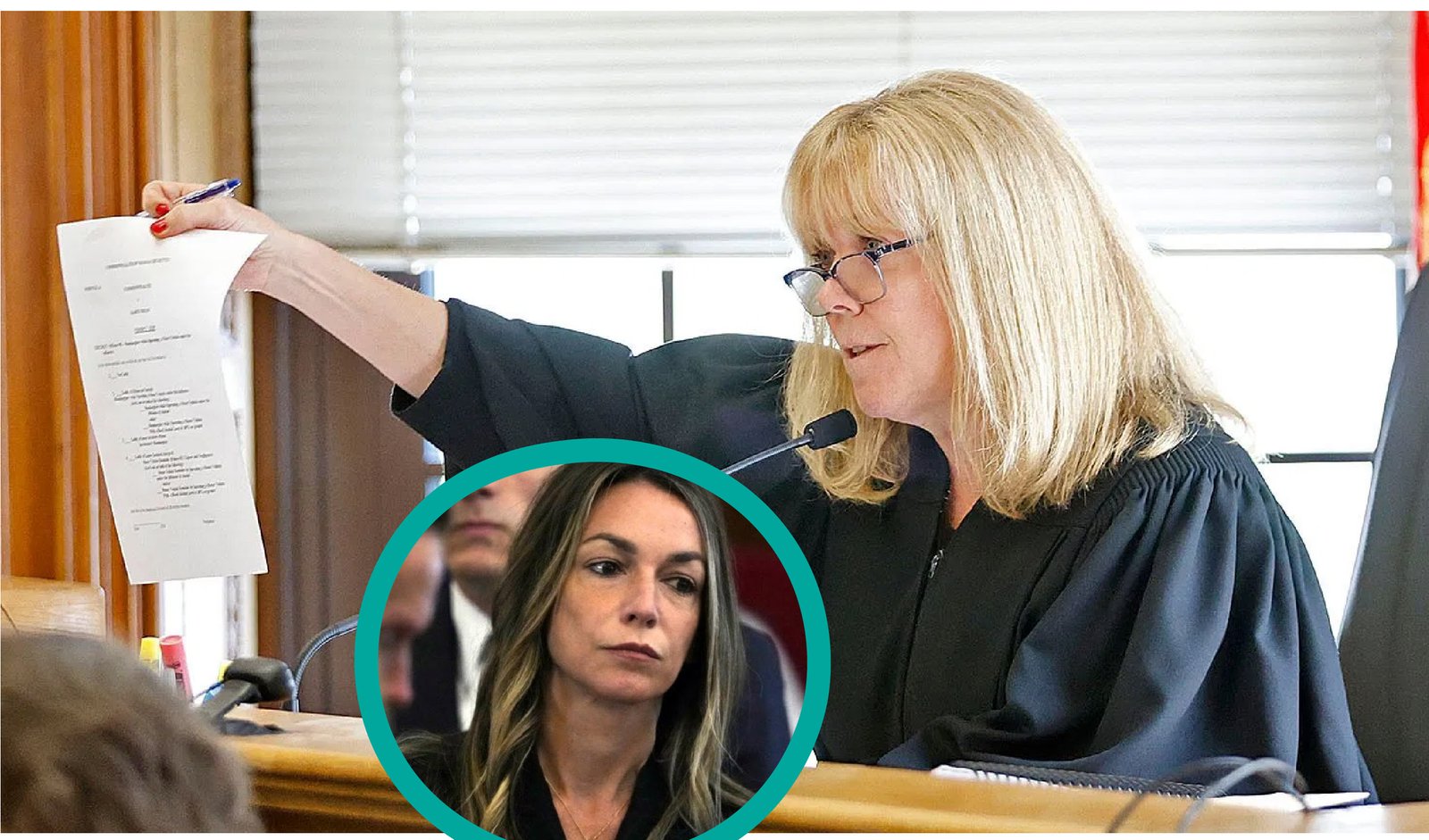
The karen read trial became one of America’s most-watched murder cases because it combined tragedy, controversy, and intense public debate in a way few modern trials ever have. The case centers around the death of Boston police officer John O’Keefe in January 2022, and the question of whether Karen Read struck him with her SUV or whether other circumstances took place inside the home he visited that night. What made the karen read trial explode across national headlines were claims of police misconduct, public protests, competing narratives, and a courtroom battle that divided communities. As the legal process unfolded, millions followed every motion, hearing, and witness testimony. In this article, you will find a complete, easy-to-understand explanation of the full timeline, key evidence, both trials, verdicts, allegations, civil cases, and what the future holds for everyone involved.
Profile Summary: Karen Read Trial
| Detail | Information |
|---|---|
| Full Name | Karen A. Read |
| Known For | Central figure in the Karen Read trial involving the death of John O’Keefe |
| Age | Mid-40s (born in 1970s) |
| Nationality | American |
| Profession | Financial analyst, former adjunct professor |
| Residence | Mansfield, Massachusetts |
| Relationship Status | Was in a relationship with Boston police officer John O’Keefe |
| Legal Status (2025) | Acquitted of murder, manslaughter, leaving scene; convicted of OUI |
| Trial Years | 2022–2025 |
| Public Image | Highly divided—supporters claim wrongful prosecution; others believe original police theory |
| Future Legal Matters | Facing ongoing civil litigation; pursuing appeals and further legal actions |
| Media Coverage | One of the most widely covered criminal cases in Massachusetts history |
Who Is Karen Read?
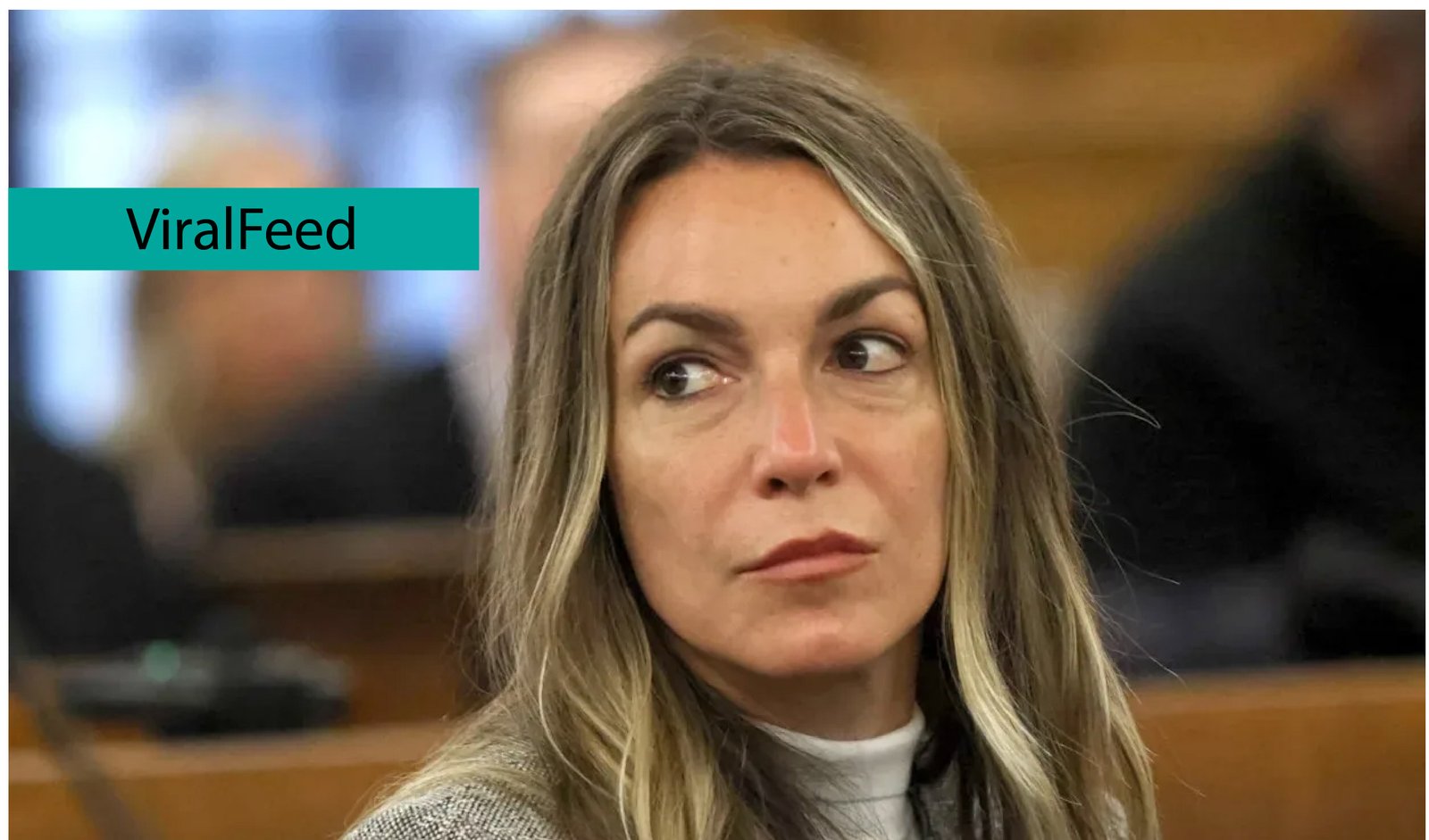
Karen Read is a Massachusetts woman in her mid-40s who worked as a financial analyst and professor before becoming the center of national attention through the karen read trial. Before this case, she lived a relatively private life, known professionally for being intelligent, responsible, and strong-willed. She had been dating Boston police officer John O’Keefe at the time of his death, and their relationship was described as serious yet complex by people close to them. Public opinion shifted dramatically once she was charged, with some viewing her as guilty based on early police statements, while others believed she was being unfairly targeted. Over time, as defense claims emerged, she became the face of a larger conversation about police accountability and transparency in investigations. Her sudden jump from private citizen to national figure is one of the reasons the karen read trial drew so much attention.
Who Was John O’Keefe?
John O’Keefe was a respected Boston police officer with more than 16 years of service, known for his dedication and compassion. He stepped into the role of raising his niece and nephew after their parents passed away, which earned him enormous admiration in his community. Friends and colleagues described him as responsible, kind, and deeply committed to his family and career. His sudden and tragic death in January 2022 shocked people across Massachusetts because he was viewed as a man who embodied integrity. The loss of a well-liked police officer, combined with the circumstances of his death, made the investigation an immediate high-profile matter. The emotional weight of losing someone who was raising children alone added intense pressure and sadness to the karen read trial, shaping public opinion and media discussions from the very beginning.
What Happened on January 28–29, 2022?
On January 28, 2022, Karen Read and John O’Keefe visited several bars in Canton, Massachusetts, including C.F. McCarthy’s and Waterfall Bar and Grille, where they met friends and had drinks. Near midnight, communication from John slowed, and voicemail messages left by Karen sounded confused and concerned. According to prosecutors, Karen dropped John off at Brian Albert’s home for a gathering, but defense attorneys claim the timeline of arrival remains unclear. When John did not return home by early morning, Karen and two friends began searching, eventually discovering his body on the snowy front lawn around 6 a.m. Karen repeatedly asked, “Did I hit him?” and “Is he dead?”—statements that prosecutors presented as spontaneous admissions, while defense lawyers argued they were expressions of panic rather than guilt. This early morning discovery set the foundation for the karen read trial and shaped the initial police narrative.
The Official Cause of Death (Medical Examiner Findings)
The Massachusetts Office of the Medical Examiner concluded that John O’Keefe died from blunt force trauma to the head combined with hypothermia. He had several injuries, including skull fractures and arm abrasions, which prosecutors argued were consistent with being struck by a vehicle. They also indicated that cold temperatures played a role in his passing. Importantly, the autopsy noted no clear signs of a physical fight, such as bruises on the knuckles or face, which became a major point in court. Toxicology showed alcohol in O’Keefe’s system but not at extreme levels. Defense lawyers argued that some injuries appeared more consistent with a dog attack or indoor altercation, not a car strike, but these claims remain strongly disputed. The medical findings became a central part of the karen read trial, fueling both sides’ arguments throughout the hearings.
How Police Formed Their Initial Theory
Police quickly formed the theory that Karen Read struck John with her SUV while dropping him off, leaving him unconscious in the snow. This theory relied heavily on tail light fragments found on the lawn, which matched damage on her vehicle. Officers also collected a broken cocktail glass from her home and noted Karen’s statements, such as “I hit him,” made during the frantic search. According to prosecutors, these details supported the idea that she reversed unintentionally or recklessly. The defense, however, argued that police rushed to judgment, conducted a narrow investigation, and overlooked other possible explanations inside the Albert home. They also questioned how tail-light pieces appeared on the lawn hours after initial searches. These disputed points shaped the direction of the karen read trial and contributed to major public skepticism.
Karen Read’s Arrest and Charges
On February 2, 2022, just days after O’Keefe’s death, Karen Read was arrested and charged. By June 2022, a grand jury indicted her on several serious counts, including second-degree murder, manslaughter while operating a motor vehicle, and leaving the scene of a fatal accident, along with OUI. She pleaded not guilty to all charges. Her bail was set at $100,000 cash, which she posted immediately. From the beginning, the defense team built a strategy centered on exposing what they argued were investigative failures, conflict-of-interest concerns, and missing evidence. As the case progressed, the karen read trial became more than just a legal proceeding—it evolved into a national conversation about bias, fairness, and proper investigative procedures. The charges defined the stakes, but the defense’s counter-claims reshaped the narrative entirely.
The Defense Story: Alleged Cover-Up & Alternate Theory
The defense presented one of the most controversial claims in the karen read trial: that John O’Keefe was injured inside Brian Albert’s home, not by Karen’s SUV. They suggested he may have been attacked by a dog or harmed during a confrontation, then placed outside afterward. They pointed to injuries they believed resembled dog bites and to inconsistencies in witness timelines. They questioned why several people inside the house allegedly deleted phone data shortly after the incident. Defense attorneys argued that tail-light fragments appeared suspiciously late in the investigation and suggested improper planting. They also highlighted connections between people in the house and members of law enforcement, arguing this resulted in a biased investigation. These claims were powerful but remain allegations, not proven facts, and were a major reason the karen read trial generated massive public debate.
Key Evidence Under Dispute
The karen read trial featured several pieces of key evidence that were intensely contested by both sides. One major item was the tail-light shards found on the lawn, which prosecutors claimed matched Karen’s SUV. The defense argued the DNA on the shards was inconclusive and that the pieces may have been introduced later. Another major point was a Google search made on Karen’s phone: “how long to die in cold?” Prosecutors treated it as significant; the defense insisted it was made automatically by the phone or was unrelated. Questions also arose about deleted phone data from people inside the Albert home, step-count data on John’s health app, snowplow driver testimony about visibility, and photos of SUV damage. Additionally, text messages from Trooper Proctor, containing unprofessional comments, raised concerns about investigative bias. These disputed items formed the core conflict of the karen read trial.
Police Misconduct Allegations
Several verified incidents of police misconduct became part of the karen read trial, though none prove guilt or innocence. Trooper Michael Proctor’s derogatory texts about Karen were confirmed and led to disciplinary reviews. Internal affairs investigations questioned whether evidence was handled properly, especially relating to the SUV and data transfers. A surveillance video from the Albert garage was initially shared in reversed orientation, creating confusion about movements; this error amplified mistrust. Chain-of-custody mistakes also appeared in logs, and some officers were suspended or reassigned during the case. While none of these incidents provided definitive answers about what happened that night, they fueled public distrust and strengthened the defense claim of investigative bias. These issues made the karen read trial a larger conversation about transparency within law enforcement.
Pretrial Battles (2022–2024)
Between 2022 and 2024, the karen read trial saw numerous pretrial motions. The defense filed requests to dismiss charges, arguing insufficient evidence and investigative misconduct. Prosecutors requested gag orders due to widespread social-media discussions. Journalist Aidan “Turtleboy” Kearney was arrested for alleged witness intimidation, which further escalated public tensions. Massive online movements emerged in support of Read, leading to rallies outside courthouses. Court rulings shaped what evidence the jury could see, what witnesses could testify, and how alternate theories could be presented. These pretrial battles turned the case into one of the most widely followed legal proceedings in Massachusetts history and set the stage for a dramatic courtroom showdown.
The First Trial (2024) – What Happened
The first karen read trial in 2024 included weeks of testimony, emotional moments, and heated courtroom exchanges. The prosecution focused on tail-light evidence, Karen’s statements, and expert analysis. The defense countered with allegations of conflicts of interest and investigative failures. As the jury deliberated, it became clear they were deeply divided. After days without agreement, the judge declared a mistrial in July 2024. The aftermath was explosive: officers involved in the investigation faced suspensions, new motions were filed, and public debate intensified. The mistrial showed how complex and polarizing the evidence was and set the stage for further legal battles.
Events Between the Two Trials (2024–2025)
After the mistrial, both sides prepared intensely for the next phase. The defense filed motions to dismiss the case entirely, claiming double jeopardy, but courts declined. A new special prosecutor was appointed to avoid conflict-of-interest concerns. Civil lawsuits were paused as criminal proceedings continued. Some witnesses faced discipline or internal review. Legal teams engaged in months of discovery disputes over phone records, video analysis, and forensic reports. By early 2025, the stage was set for a second karen read trial, with even more public attention and heightened legal pressure.
The Second Trial (2025) – Full Breakdown
The second karen read trial focused on simplifying arguments for the jury. Jury selection was difficult due to national media coverage and strong opinions. Some witnesses from the first trial returned; others did not testify. Prosecution refined its argument around vehicle impact, while the defense emphasized inconsistencies and bias. The courtroom atmosphere became tense during cross-examinations, with objections and emotional exchanges occurring frequently. Despite extensive testimony, the evidence remained sharply divided. Mistrial motions were raised again due to concerns about jury exposure to outside information, though the judge allowed proceedings to continue. Ultimately, the trial concluded with each side presenting powerful closing arguments.
Closing Arguments – Two Conflicting Narratives
In the final days of the karen read trial, the prosecution argued that Karen reversed her SUV recklessly while intoxicated and unintentionally struck O’Keefe, leaving him in harsh winter conditions. They emphasized tail-light evidence, her early statements, and expert reconstructions. The defense countered with a dramatically different story: they claimed Karen never hit John, that he entered the Albert home, and that injuries showed signs of dog bites or an altercation. They asserted that investigators protected people connected to law enforcement and mishandled evidence. Both closing arguments were emotional and powerful, leaving the jury to grapple with two entirely different interpretations of the same night.
The Verdict Explained (June 18, 2025)
On June 18, 2025, the jury reached a verdict that shocked many following the karen read trial. Karen Read was acquitted of murder, manslaughter, and leaving the scene of a fatal accident, meaning the jury did not find the evidence strong enough to convict her on those charges. However, she was convicted of OUI (Operating Under the Influence). Jury members later stated that conflicting evidence, investigative issues, and unanswered questions prevented them from reaching a guilty verdict on the most serious charges. Their comments underscored how the trial’s complexity made absolute certainty impossible. This mixed outcome reflected the deeply divided nature of the case.
Public Reactions After the Verdict
Reactions to the verdict were intense and immediate. Supporters of Karen celebrated the acquittal, viewing it as vindication after years of public scrutiny. They argued that the karen read trial exposed flaws in the investigation. O’Keefe’s family expressed heartbreak and continued belief in the original theory, insisting they still seek justice for John. Prosecutors stated they respected the jury’s decision but stood by their case. National media covered protests, interviews, and emotional statements from both sides. The split public reaction demonstrated how personal and emotional the case had become for many people around Massachusetts and beyond.
The Cost of the Case (Financial Impact)
The karen read trial became one of the most expensive cases in Massachusetts history. Hiring a special prosecutor alone cost the state millions of dollars. Court expenses, expert witnesses, extended investigations, and security added significantly to the total cost. Karen’s defense team, supported partly by donations and fundraisers, also spent a substantial amount on forensic experts, investigators, and legal filings. Supporter movements held events to help offset costs. The financial burden highlighted how major criminal cases can strain both families and state resources, especially when they extend over several years with retrials and extensive legal disputes.
Ongoing Civil Cases
Even after the verdict, the legal battles did not end. The O’Keefe family filed a wrongful death lawsuit that remains active, seeking accountability through civil courts. Meanwhile, Karen Read filed her own lawsuit against several investigators and officials, alleging misconduct and violation of her rights. These lawsuits face repeated delays due to overlapping evidence and procedural hurdles. Courts must now handle complex claims involving negligence, bias, and emotional damage. The outcomes of these civil cases could reshape how the public remembers the karen read trial, as civil courts often examine issues not fully explored in criminal trials.
What Happens Next for Karen Read?
Following the verdict, Karen Read’s future remains intertwined with legal appeals, civil cases, and ongoing public attention. She may pursue appeals on her OUI conviction, depending on legal advice. Documentary projects, interviews, and media contracts have reportedly been offered, though nothing is confirmed. Supporters continue advocating for her online, while critics maintain their doubts. Karen’s public image will likely continue evolving as new information and civil case developments emerge. Her role in broader conversations about justice, policing, and transparency ensures that her story remains relevant long after the criminal phase of the karen read trial ended.
Why the Karen Read Trial Captivated the Nation
The karen read trial became a national spectacle because it raised questions far larger than one night’s events. Americans were drawn to themes of police accountability, investigative bias, and whether powerful connections can influence justice. Social media created an unprecedented wave of activism, producing viral theories and real-world protests. The case split communities, friends, and even families who disagreed on what really happened. It also highlighted how digital-age trials can be shaped not only by courtroom evidence but by online movements, livestreams, and public pressure. This combination of tragedy, mystery, and systemic issues made the trial unforgettable.
Lessons Learned From the Case
Several lessons emerged from the karen read trial. First, chain-of-evidence rules must be followed strictly to maintain public trust. Second, transparency in law enforcement investigations is essential, especially when conflicts of interest exist. Third, the digital era introduces risks—misinformation can spread rapidly, influencing public opinion and potentially affecting jurors. Fourth, forensic technology can clarify evidence but also create new disputes. Fifth, jury instructions, verdict forms, and trial clarity must be improved so jurors can navigate complex cases. These lessons may influence future reforms in Massachusetts and beyond.
Conclusion
The karen read trial will likely be remembered as one of the most complex, emotional, and controversial criminal cases in recent U.S. history. It reshaped how people view police investigations, social-media activism, and the power of public pressure. John O’Keefe’s death remains a profound tragedy, and the unanswered questions surrounding that night continue to cast a long shadow. For many, the trial represents a system struggling to balance fairness and accountability. Its legacy—both legally and culturally—will influence discussions about justice for years to come.
FAQs About Karen Read Trial
1. What is the Karen Read trial about?
The Karen Read trial centers on whether Karen Read struck her boyfriend, Boston police officer John O’Keefe, with her SUV in January 2022 and left him to die in the snow. Prosecutors alleged she caused his death, while the defense argued O’Keefe died inside a house during a fight and that Read was framed in a cover-up involving law enforcement.
2. Was Karen Read found guilty of murder?
No. Karen Read was acquitted of second-degree murder, manslaughter, and leaving the scene of a collision. The jury found her not guilty on all major charges. She was convicted only of operating a vehicle under the influence (OUI) and received one year of probation.
3. Why did the Karen Read case gain national attention?
The case went viral due to allegations of police misconduct, evidence-tampering claims, conflicting witness statements, and massive public protests. Social media movements, documentaries, and divided community reactions made the trial one of the most watched in the U.S.
4. What evidence was most disputed in the Karen Read trial?
Key disputed evidence included tail light fragments, John O’Keefe’s injuries, the timing of a Google search (“how long to die in cold”), security video inconsistencies, phone deletions by witnesses, and controversial text messages from lead investigator Trooper Michael Proctor.
5. What happens next for Karen Read after the trial?
Karen Read now faces ongoing civil lawsuits, including a wrongful death claim filed by the O’Keefe family. She has also filed her own lawsuit against investigators and several individuals she claims framed her. Media projects, appeals, and future legal actions are still developing.
More from Viralfeed: Who Was Edith Bowles? Inspiring Biography And Story Of Colman Domingo’s Mother
