


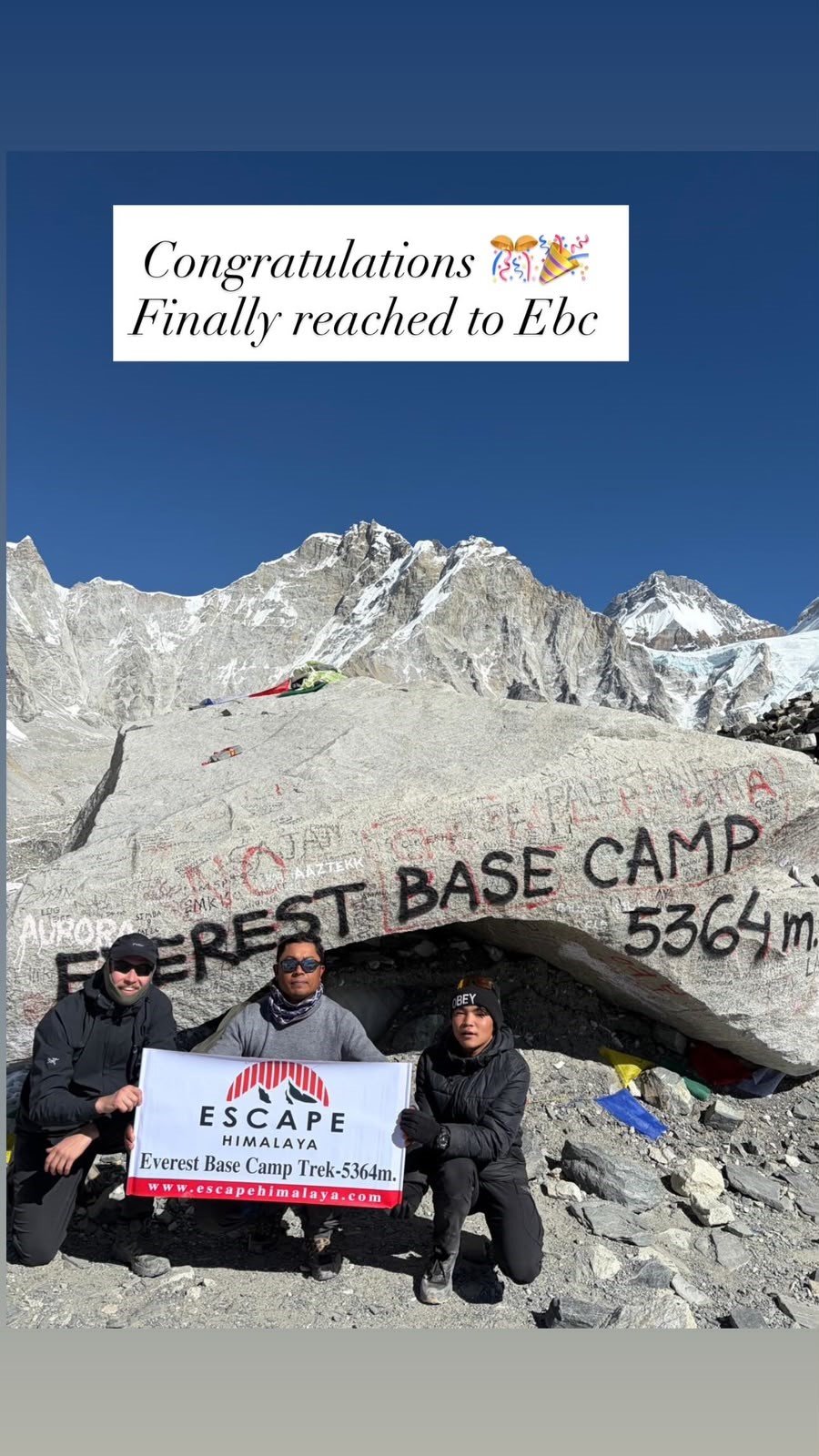
Nepal is one of the most rewarding trekking destinations in the world. It offers routes that combine dramatic mountains, deep cultural heritage, and unforgettable natural scenery. Among hundreds of trails, three treks consistently stand out for international trekkers: the Everest Base Camp Trek, the Short Annapurna Base Camp Trek, and the Poon Hill with Mardi Himal Trek.
Each trek offers a different level of challenge and experience. Everest delivers the most iconic Himalayan journey, Annapurna Base Camp offers a shorter but immersive mountain sanctuary, and Poon Hill with Mardi Himal provides a scenic ridge-to-sunrise adventure ideal for moderate trekkers.
This guide breaks down all three treks, helping you choose the right Himalayan experience based on time, fitness, and expectations.
Why These Three Treks Are Nepal’s Most Popular Himalayan Journeys
These three treks are widely chosen because they offer strong scenery-to-effort value without technical climbing. These trekking routes are well supported by a strong network of teahouses, experienced local guides, and clearly established trails, making them accessible and safe for trekkers.
The Everest Base Camp Trek takes you deep into the Khumbu region, home to Sherpa culture and the world’s highest peak. It is a bucket-list journey that combines altitude challenge with iconic landscapes.
The Short Annapurna Base Camp Trek is a condensed version of the classic ABC route. It leads directly into the Annapurna Sanctuary, surrounded by towering Himalayan peaks, in less time.
The Poon Hill with Mardi Himal Trek blends two scenic routes. It combines the famous sunrise viewpoint of Poon Hill with the quiet ridge trails of Mardi Himal for a more peaceful trekking experience.
Which Nepal Trek Should You Choose? Everest, ABC, or Mardi Himal with Poon Hill
These treks differ mainly in duration, altitude, and physical demand.
The Everest Base Camp Trek typically takes 12 to 16 days, depending on the itinerary and acclimatization days. The maximum altitude reaches around 5,545 meters at Kala Patthar, which is the main viewpoint for the Everest sunrise. According to recent trekking operations in Nepal, this route is moderate to challenging due to long walking days and high altitude exposure.
The Short Annapurna Base Camp Trek takes about 7 to 9 days. It reaches a maximum altitude of 4,130 meters at Annapurna Base Camp, inside the famous Annapurna Sanctuary. This trek is considered moderate and is suitable for beginners with basic fitness.
The Poon Hill with Mardi Himal Trek usually takes 9 to 11 days. The highest point is around 4,500 meters at Mardi Himal Base Camp viewpoint. This trek is easier compared to Everest and offers a balanced mix of forest trails and ridge walking with fewer crowds.
Which Trek Matches Your Fitness Level and Experience
Fitness level plays a major role in choosing the right trek.
The Everest Base Camp Trek requires strong stamina and mental preparation. Long daily walks at increasing altitude demand steady pacing and proper acclimatization.
The Short Annapurna Base Camp Trek is ideal for beginners and intermediate trekkers. The trail is physically manageable, and altitude gain is gradual compared to Everest.
Poon Hill is a bit easier than Mardi Himal. While there are uphill sections, the lower altitude and shorter trekking days make it accessible for first-time trekkers.
Scenic Highlights of Each Trek
Each route offers completely different mountain experiences.
The Everest trail is known for dramatic landscapes, suspension bridges, glaciers, and legendary viewpoints like Namche Bazaar and Kala Patthar. The view of Mount Everest at sunrise is one of the most powerful moments in world trekking.
The Annapurna Base Camp route takes you into a natural amphitheater surrounded by peaks like Annapurna I, Machhapuchhre, and Hiunchuli. The trail passes through forests, rivers, and traditional Gurung villages before reaching the sanctuary.
The Poon Hill with Mardi Himal trek offers golden sunrise views over the Annapurna and Dhaulagiri ranges. The Mardi ridge walk is especially known for close-up views of Machhapuchhre (Fishtail Mountain), creating a dramatic skyline.
Best Time to Trek These Routes:
The most suitable time for trekking in Nepal is spring (March to May) and autumn (September to November), when weather conditions are most stable and mountain visibility is at its best.
During spring, the trails become especially beautiful with blooming rhododendron forests, pleasant temperatures, and generally clear skies that reveal stunning Himalayan views.
The autumn season is widely considered the best period for trekking, offering crystal-clear skies, dry and stable trails, and excellent visibility of the surrounding peaks after the monsoon season.
Trekking in winter is still possible on lower-altitude routes such as Annapurna and Poon Hill, but higher elevations often experience snowfall and colder conditions, which can make some sections more challenging.
The monsoon season (June to August) is usually avoided for most treks due to heavy rainfall, slippery trails, increased landslide risk, and limited mountain visibility.
Duration, Altitude, and Cost Overview (Updated 2026)
The Everest Base Camp Trek takes 12–16 days with costs generally starting from USD 1,200–1,800, depending on guide service, accommodation level, and logistics such as Lukla flights.
The Short Annapurna Base Camp Trek takes 7–9 days with average costs ranging between USD 600 and 1,300, making it one of the most budget-friendly Himalayan base camp experiences. Recent trekking data confirms ABC is one of the best-value high-mountain treks in Nepal due to no mandatory flight requirement and shorter duration.
The Poon Hill with Mardi Himal Trek takes 9–11 days, with costs typically between USD 700–1,400, depending on itinerary and services included.
All three treks require official permits such as ACAP for Annapurna routes and Sagarmatha National Park entry for Everest.
Accommodation, Culture, and Trail Experience
All three treks use teahouse accommodation, offering simple rooms, home-cooked meals, and warm hospitality.
The Everest region reflects strong Sherpa culture, Buddhist monasteries, and high-altitude mountain life. The Annapurna region is culturally rich with Gurung and Magar communities, terraced fields, and traditional villages.
Mardi Himal and Poon Hill routes are quieter, offering peaceful trails, forest landscapes, and fewer trekkers compared to Everest.
Essential Preparation Tips Before You Trek
Physical preparation improves safety and enjoyment. Regular walking, stair climbing, and cardio training help build stamina.
Layered clothing is essential because temperatures change quickly with altitude. Proper trekking shoes, rain protection, and thermal wear are important.
Hydration and slow walking are key to preventing altitude sickness. Travel insurance covering high-altitude trekking is strongly recommended.
Hiring a licensed guide improves safety and adds cultural insight, especially for first-time trekkers.
Why Choose Escape Himalaya for These Treks
Escape Himalaya is a Nepal-based trekking operator offering well-structured itineraries for Everest, Annapurna, and Mardi Himal routes.
Their updated 2026 trekking packages include experienced licensed guides, accommodation in teahouses, three daily meals during trekking, necessary permits, and complete logistical support. Everest Base Camp itineraries also include planned acclimatization days, which are essential for safe altitude progression.
The company provides both group and private trekking options, making it suitable for solo travelers, couples, and small groups. Their focus on safety, local expertise, and well-managed itineraries makes them a reliable choice for Himalayan trekking experiences.
Final Verdict: Which Trek Should You Choose?
If you want a world-famous achievement with high-altitude adventure, choose the Everest Base Camp Trek.
If you prefer a shorter but immersive Himalayan journey with great value, choose the Short Annapurna Base Camp Trek.
If you want a scenic, peaceful trek with sunrise views and moderate difficulty, choose the Poon Hill with Mardi Himal Trek.
Each trek delivers a unique Himalayan experience. The best choice depends on your time, fitness level, and travel goals.
