


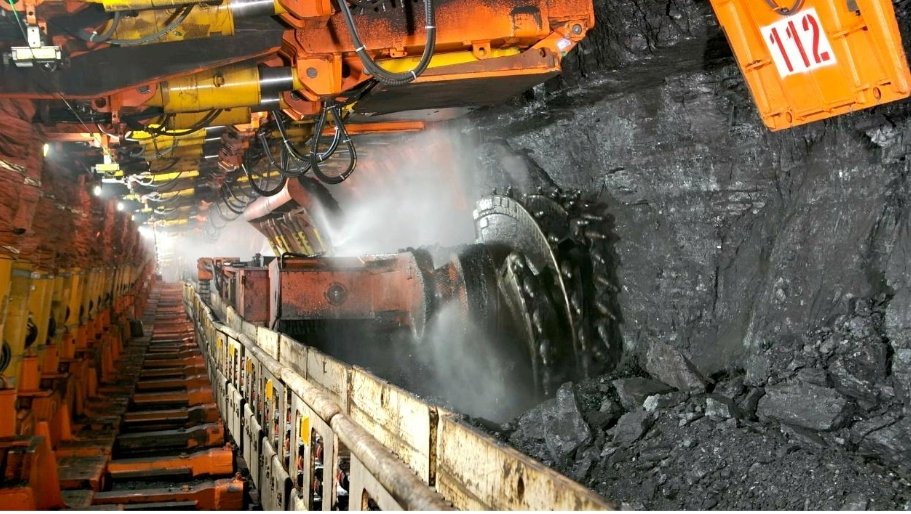
Coal mining equipment operates under some of the most demanding conditions in the mining industry. From continuous cutting and excavation to exposure to hard rock, abrasive materials, and heavy impact loads, every component must withstand extreme working environments. The performance of mining equipment directly affects production efficiency, operational safety, and maintenance costs. However, equipment productivity is not determined by the machine itself alone. Factors such as geological conditions, component quality, maintenance practices, and operating methods all influence reliability and service life. Understanding these factors allows mining companies to improve equipment performance, reduce unexpected downtime, and maintain more stable mining operations.
Geological Conditions and Material Hardness
Geological conditions are one of the most important factors affecting the performance of coal mining equipment. During underground mining operations, machines often work through different layers of coal, rock, and mixed geological formations, each with different levels of hardness and abrasiveness. These variations directly influence cutting resistance, machine load, and the wear rate of key components.
For example, softer coal seams may allow equipment to operate with lower cutting forces, while harder rock layers require greater power and more durable components to maintain stable performance. When mining equipment is used in challenging geological conditions, excessive stress can accelerate component wear, reduce cutting efficiency, and increase the frequency of maintenance.
Harder formations require more durable cutting components to maintain consistent performance during mining operations. Therefore, understanding site-specific geological conditions is essential when selecting equipment configurations and wear-resistant components for coal extraction applications.
Quality and Design of Cutting Components
The cutting system is a critical part of coal mining equipment because it directly determines how effectively machines can break and remove materials. During mining operations, cutting components are constantly exposed to impact, friction, and high-pressure conditions. The quality, design, and material properties of these components can significantly influence cutting efficiency, energy consumption, and overall equipment productivity.
Key components such as cutting picks, drill bits, carbide inserts, and holders must be carefully selected according to the equipment type and mining environment. Poor-quality components may become damaged quickly, leading to slower cutting speeds, increased machine load, and more frequent maintenance interruptions.
Among these components, high-quality mining drill bits play an important role in maintaining cutting performance and reducing unexpected replacements in underground mining operations. The use of wear-resistant designs and durable materials helps these components withstand harsh mining conditions while maintaining reliable operation.
Many modern mining tools use tungsten carbide tips because of their excellent hardness, abrasion resistance, and impact strength. Using reliable carbide mining components can help mining equipment achieve longer service life and more stable performance, especially in demanding underground environments where tool failure can lead to costly downtime.
Equipment Maintenance and Inspection Practices
Regular maintenance and inspection are essential for keeping coal mining equipment operating efficiently. Even high-performance machines and durable components can experience reduced productivity if wear issues are not identified and addressed in time. A proactive maintenance strategy helps improve machine availability, extend component lifespan, and maintain safer working conditions.
Mining companies should regularly inspect critical areas such as cutting components, hydraulic systems, and other high-stress parts. Checking for signs of excessive wear, cracks, or performance changes allows operators to replace damaged components before they cause unexpected equipment failures.
In addition, monitoring equipment performance during daily operations can help identify early warning signs, such as reduced cutting efficiency or increased energy consumption. By combining routine inspections with timely replacement of worn components, mining operations can minimize downtime and maintain more consistent production.
Machine Compatibility and Operating Conditions
The performance of coal mining equipment also depends on whether the machine configuration matches the specific mining application. Different types of equipment, including continuous miners, roadheaders, and underground loaders, are designed for different tasks and operating environments. Using components that are not properly matched with the equipment can reduce cutting efficiency, increase stress on the machine, and accelerate wear.
Tool size, cutting design, and operating conditions should all be considered when selecting mining components. For example, cutting tools need to be compatible with the machine’s power output and the hardness of the material being processed. A properly matched component allows the equipment to work more efficiently while reducing unnecessary strain on key systems.
Operator practices also have a significant impact on equipment performance. Proper operation methods, avoiding excessive loading, and following recommended maintenance schedules can help prevent premature wear and unexpected failures. Even with reliable equipment and high-quality components, incorrect operation can reduce service life and negatively affect overall mining productivity.
Conclusion
The performance of coal mining equipment is influenced by multiple factors, from geological conditions and operating environments to component quality and maintenance practices. Improving equipment reliability requires a comprehensive approach that considers both machine performance and the durability of critical components. By maintaining equipment properly and selecting reliable mining components, mining companies can reduce downtime, improve operational efficiency, and achieve more stable production in demanding underground environments.
