


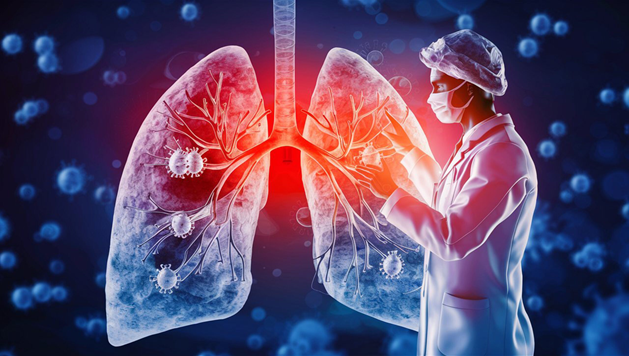
Breathing problems can have many causes, ranging from temporary infections and allergies to chronic conditions affecting the lungs and airways. While occasional coughing or breathlessness may not always require specialist care, persistent or worsening symptoms should not be ignored.
A pulmonologist is a doctor who specialises in diagnosing and treating diseases involving the lungs and respiratory system. They can evaluate ongoing symptoms, perform or interpret lung function tests, identify underlying conditions, and develop treatment plans for problems such as asthma, COPD, pulmonary infections, and other respiratory disorders.
What Does a Pulmonologist Treat?
Pulmonologists manage a wide range of conditions affecting breathing, the lungs, airways, and related structures. They may become involved when symptoms are persistent, difficult to diagnose, poorly controlled, or require specialised testing or treatment.
Common Conditions Managed by Pulmonologists
These may include:
- Asthma
- Chronic obstructive pulmonary disease (COPD)
- Chronic bronchitis
- Emphysema
- Pulmonary fibrosis
- Pneumonia and recurrent respiratory infections
- Bronchiectasis
- Sleep-related breathing disorders
- Lung nodules and some lung cancers
- Pulmonary hypertension
- Certain occupational or environmental lung diseases
The exact treatment depends on the underlying diagnosis. Not every person with a cough or breathing problem needs a pulmonologist, but persistent or unexplained symptoms may warrant specialist evaluation.
Asthma: When Should You See a Specialist?
Asthma is a chronic respiratory condition in which the airways become inflamed and narrowed, making breathing more difficult. Common symptoms include wheezing, coughing, shortness of breath, and chest tightness. Symptoms may come and go and can be triggered by infections, exercise, allergies, cold air, or irritants.
Signs That Asthma May Need Specialist Care
Consider consulting a pulmonologist if:
- Symptoms continue despite prescribed treatment
- Asthma attacks occur frequently
- You regularly need a quick-relief inhaler
- Symptoms interfere with sleep or daily activities
- The cause of symptoms is unclear
- Exercise repeatedly causes breathing problems
- You have required emergency treatment for asthma
- You are unsure whether your symptoms are actually caused by asthma
A specialist can assess symptoms, review medications, identify possible triggers, and use lung function testing when appropriate. Asthma care may also include a written action plan explaining medicines, triggers, worsening symptoms, and when emergency care is needed.
COPD: Recognising the Warning Signs
COPD is a long-term lung condition that makes it increasingly difficult to move air in and out of the lungs. It commonly causes persistent breathlessness, ongoing cough, mucus production, wheezing, and fatigue.
Smoking is an important risk factor, but long-term exposure to secondhand smoke, air pollution, chemical fumes, and dust can also contribute. Early diagnosis can help patients begin appropriate treatment and manage symptoms.
Why Early Evaluation Matters
People sometimes dismiss persistent breathlessness as a normal consequence of ageing or poor fitness. However, gradually worsening shortness of breath should be medically assessed.
Spirometry is the main lung function test used to diagnose COPD. It measures how much air a person can breathe out and how quickly they can do so. Additional testing may include imaging or other lung function assessments depending on the situation.
Chronic Cough Should Not Be Ignored
A cough caused by a cold or another short-term infection usually improves as the underlying problem resolves. A cough that persists for several weeks, repeatedly returns, or becomes progressively worse deserves medical evaluation.
Possible Causes of a Persistent Cough
A chronic cough can be associated with conditions such as:
- Asthma
- COPD
- Allergies
- Postnasal drainage
- Acid reflux
- Smoking
- Respiratory infections
- Certain medications
- Other lung conditions
A pulmonologist can consider the patient’s history, medications, smoking or environmental exposure, examination findings, and appropriate tests to determine the likely cause. The American Lung Association recommends discussing a cough that persists for more than three weeks with a medical professional.
Persistent Breathlessness Is Another Important Sign
Shortness of breath can occur after intense exercise, but unexplained breathlessness during normal activities deserves attention. Difficulty breathing while walking, climbing stairs, sleeping, or performing routine tasks may indicate an underlying heart or lung problem.
When Breathlessness Needs Evaluation
You should consider medical evaluation if breathlessness:
- Develops without an obvious reason
- Is becoming progressively worse
- Limits everyday activities
- Occurs repeatedly
- Happens while resting or lying down
- Occurs with persistent cough or wheezing
- Does not improve with prescribed treatment
Breathlessness can have causes beyond lung disease, including cardiovascular problems, so a thorough assessment is important rather than assuming the lungs are always responsible.
Recurrent Respiratory Infections May Need Investigation
Repeated episodes of bronchitis, pneumonia, or other respiratory infections can sometimes indicate an underlying problem affecting the airways, immune system, or lung function.
What a Pulmonologist May Assess
The doctor may review the frequency and severity of infections, previous chest imaging, smoking or environmental exposures, vaccination history, and other medical conditions.
Depending on the symptoms, investigations may include chest X-rays, CT scans, blood tests, sputum testing, or pulmonary function tests. The aim is to understand why infections keep occurring rather than simply treating each episode separately.
What Tests Can a Pulmonologist Perform?
The investigations recommended depend on symptoms and suspected conditions. A specialist does not necessarily order every available test; instead, testing is usually selected according to the clinical history and examination.
Common Respiratory Tests
These may include:
| Test | What It Helps Assess |
| Spirometry | Airflow and lung function |
| Peak flow | How quickly air can be exhaled |
| Chest X-ray | Lung and chest abnormalities |
| CT scan | Detailed lung and chest images |
| Pulse oximetry | Blood oxygen saturation |
| Blood tests | Infection, inflammation, or other conditions |
| Allergy testing | Possible allergic triggers |
| Bronchoscopy | Direct examination of airways in selected cases |
For asthma, lung function testing can include spirometry, peak expiratory flow, bronchodilator response testing, and selected challenge or inflammatory tests.
How Are Lung Conditions Treated?
Treatment depends entirely on the diagnosis. A pulmonologist may recommend medication, lifestyle changes, rehabilitation, breathing exercises, oxygen therapy, or other interventions when appropriate.
Treatment May Include
For conditions such as asthma and COPD, treatment can involve inhaled medicines that help open the airways or reduce inflammation. Pulmonary rehabilitation may also be recommended for selected patients with chronic lung disease.
Correct inhaler technique is particularly important because using an inhaler incorrectly can reduce how much medicine reaches the lungs. Patients should ask their medical professional to demonstrate the correct technique and check it periodically.
When Should You Seek Emergency Care?
Some breathing problems require immediate medical attention rather than a routine pulmonology appointment.
Emergency Warning Signs
Seek emergency care if someone has:
- Severe difficulty breathing
- Inability to speak normally because of breathlessness
- Blue or grey lips or fingernails
- Severe chest pain
- New confusion or reduced alertness
- Fainting
- Rapid worsening despite prescribed emergency treatment
Severe COPD flare-ups can require hospital treatment, and similar emergency symptoms can occur with severe asthma or other serious conditions.
How to Prepare for a Pulmonology Appointment
Preparing some information before the consultation can help the doctor understand the pattern of symptoms more clearly.
Bring or note:
- When symptoms started
- How often they occur
- Known triggers
- Previous diagnoses
- Current medicines and inhalers
- Smoking or vaping history
- Occupational or environmental exposures
- Previous chest X-rays or CT scans
- Previous hospitalisations
- Family history of lung disease
Patients in Delhi may consider several factors when choosing the best pulmonology hospital in Delhi, such as the doctor’s expertise, access to advanced diagnostic facilities, availability of emergency support, and personalized treatment options.
Conclusion
Persistent cough, recurring respiratory infections, unexplained breathlessness, frequent wheezing, poorly controlled asthma, and symptoms associated with COPD may require evaluation by a pulmonologist. Specialist assessment can help identify the underlying cause and determine whether lung function testing, imaging, medication, rehabilitation, or other treatment is appropriate.
Not every respiratory symptom indicates serious lung disease, but ongoing or worsening symptoms should not simply be ignored. If breathing becomes severely difficult, lips turn blue or grey, consciousness changes, or prescribed emergency treatment is not working, immediate emergency care is more appropriate than waiting for a specialist appointment.
Frequently Asked Questions
1. When should I see a pulmonologist for a cough?
Consider seeing a pulmonologist when a cough persists for several weeks, repeatedly returns, becomes severe, or occurs with wheezing, breathlessness, chest discomfort, or recurrent respiratory infections. A specialist can investigate possible underlying causes.
2. Can a pulmonologist treat asthma?
Yes. Pulmonologists can evaluate asthma symptoms, perform appropriate lung function tests, identify possible triggers, review medications, and develop long-term management plans. They may also help patients whose asthma remains poorly controlled despite standard treatment.
3. Is COPD curable?
COPD currently has no cure, but appropriate treatment and lifestyle changes can help manage symptoms, improve quality of life, and reduce flare-ups. Treatment may include inhaled medicines, pulmonary rehabilitation, oxygen therapy, and other options.
4. What test is commonly used to diagnose COPD?
Spirometry is the main lung function test used to diagnose COPD. It measures how much air a person can exhale and how quickly. Additional imaging or lung tests may be recommended depending on symptoms.
5. Is severe breathlessness always a lung problem?
No. Breathlessness can result from lung conditions, heart disease, anaemia, infections, and other problems. Severe or sudden breathing difficulty requires urgent medical assessment, particularly when accompanied by chest pain, confusion, fainting, or blue
