


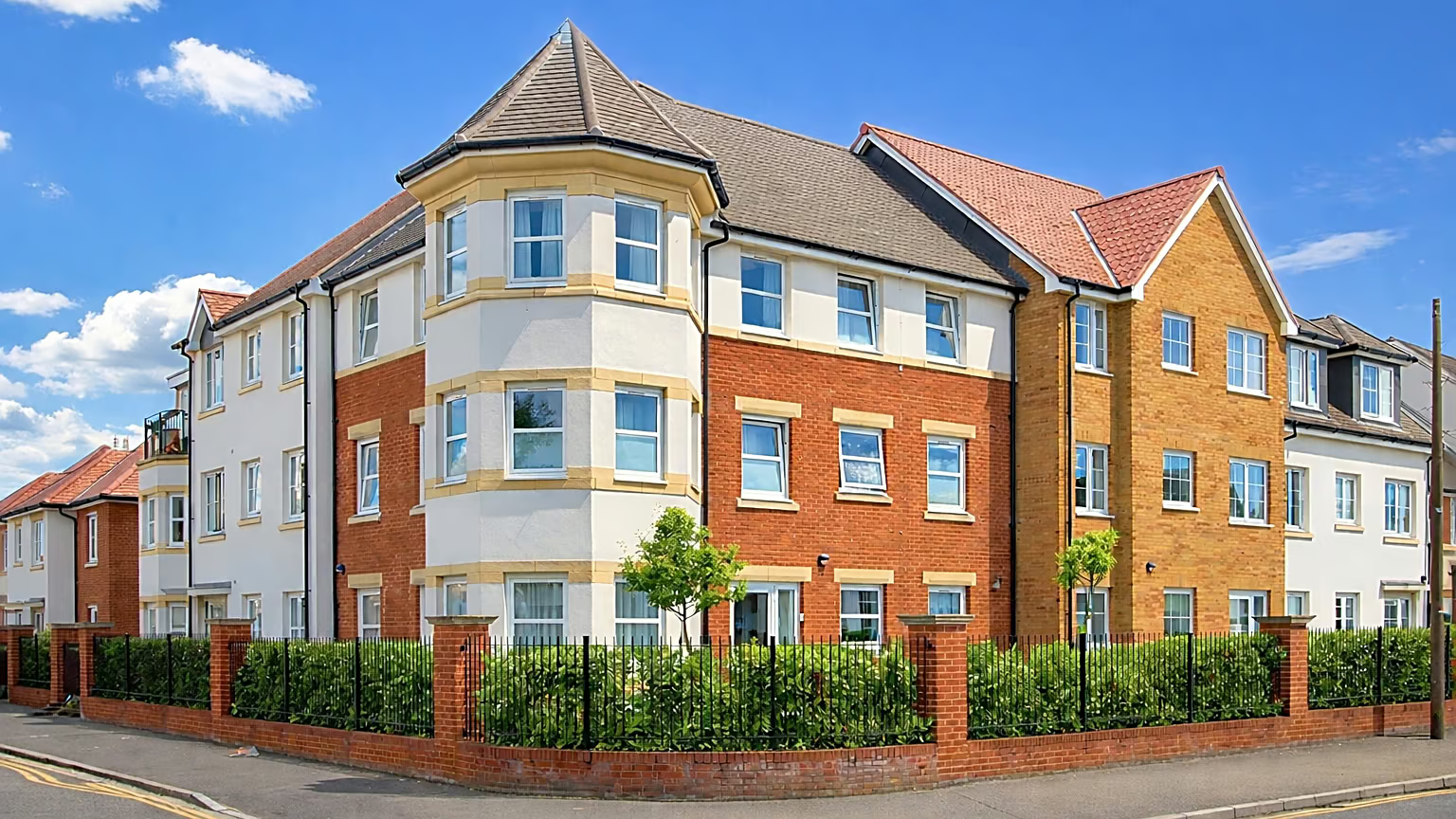
Waking up to sea views, a promenade on your doorstep and the pier in the distance is a powerful draw. Many buyers fall in love with seafront apartments in this Kent coastal town, but a flat is a different kind of purchase from a house, and a seafront flat adds its own considerations. Whether you are a first-time buyer, a downsizer or an investor, speaking to experienced estate agents in Herne Bay is a good first step. This guide explains how leasehold works, what service charges cover and which checks can protect you before you buy.
Why Most Flats Are Leasehold
When you buy a flat in England, you usually purchase a long lease rather than the freehold of the building. The lease gives you the right to occupy your flat for a set number of years, while the freeholder, or a management company, owns and looks after the structure and shared areas.
Because the lease is a contract, its terms matter enormously. It sets out your obligations, what you can and cannot do in the flat, and how costs are shared.
Checking the Lease Length
The number of years remaining on a lease affects value and mortgageability. A long lease is generally straightforward, but as the term shortens, the flat can become harder to sell and costly to extend. Many lenders are reluctant to lend on very short leases, which can narrow your pool of future buyers.
Ask early how many years are left. If the lease is relatively short, speak to your solicitor about the cost of extending it and who would bear that cost. Do not assume a seller’s promise to extend will be honoured unless it is properly documented.
Ground Rent
Ground rent is a payment made to the freeholder. Older leases may have modest amounts, but some contain terms that increase over time, sometimes sharply. Ask your solicitor to look at how it is calculated and whether it escalates. Rules around new leases have changed in recent years, but existing leases generally keep their original terms, so read the document carefully.
Understanding Service Charges
Service charges cover the cost of maintaining and insuring the building and its communal areas. They typically include:
- buildings insurance;
- cleaning and lighting of shared spaces;
- lift maintenance, where there is one;
- gardening and upkeep of grounds;
- management fees; and
- contributions to a reserve or sinking fund for major works.
Charges vary widely between buildings, so ask for the last three years of accounts, the current budget and any planned expenditure. Compare the charge per year with what you would expect from similar buildings, and be wary if costs look unusually low, because that may mean maintenance has been neglected.
Coastal Buildings and Major Works
Seafront buildings face particular challenges. Salt air, wind, driving rain and damp can accelerate wear on windows, balconies, brickwork, render, roofs and metalwork. Older blocks may need regular repainting, repointing and repairs that inland properties escape for longer.
This makes it essential to ask:
- When was the building last redecorated or externally repaired?
- Are any major works planned, or has a notice been served?
- Is there a sinking fund, and how much is in it?
- Have there been disputes with the managing agent or freeholder?
If major works are due, ask who pays for them. Often the cost is shared between leaseholders, and for a large project the bill can run into thousands of pounds. Where significant works are proposed, landlords normally have to consult leaseholders in line with legal procedures, and you can ask your solicitor to look into this.
Who Manages the Building?
Good management makes a big difference to your experience. Find out whether the freeholder, a managing agent or a resident-owned company runs the building. Some blocks are managed by leaseholders themselves through a right-to-manage company, which can give owners more control but also more responsibility.
Ask how repairs are reported, how quickly they are dealt with and how well the accounts are presented. Speaking to existing residents, when possible, often provides honest insight.
Insurance, Safety and Compliance
Check the building’s insurance arrangements, as leaseholders generally pay for cover through the service charge. Ask whether fire safety assessments are up to date and whether any cladding or fire safety issues have been identified, as these can affect mortgages and sales.
Also ask about:
- balcony condition and permitted use;
- rules on pets, short lets and subletting;
- restrictions on flooring, which can matter for noise;
- parking arrangements; and
- any limits on alterations.
Costs Beyond the Purchase Price
Budget for more than the deposit. Typical costs include legal fees, survey fees, Stamp Duty Land Tax where applicable and charges relating to leasehold, such as a management pack fee, notice fees or a certificate when you eventually sell. Ask your solicitor to give a full estimate early.
Choosing a Survey
A survey is especially useful for coastal flats. A RICS Level 2 survey may suit a modern or well-maintained property, while a more detailed Level 3 survey may be better for an older building. Mention the seafront location so the surveyor can comment on exposure and weathering.
Buying to Let or as a Holiday Home
If you intend to rent out your flat, check the lease for restrictions. Some leases forbid letting, require consent or limit short-term stays. Think about management costs, safety certificates, tax and mortgage conditions as well. If it will be a second home, remember that the higher rate of Stamp Duty applies to additional properties.
Final Thoughts
A seafront flat in Herne Bay can offer a rewarding lifestyle, but the details in the lease and the condition of the building matter as much as the view. Ask questions, read the paperwork carefully and involve a solicitor and surveyor early. A well-informed purchase today will help you enjoy the coast with confidence and protect your investment tomorrow.
This article is general information, not legal or financial advice.
