


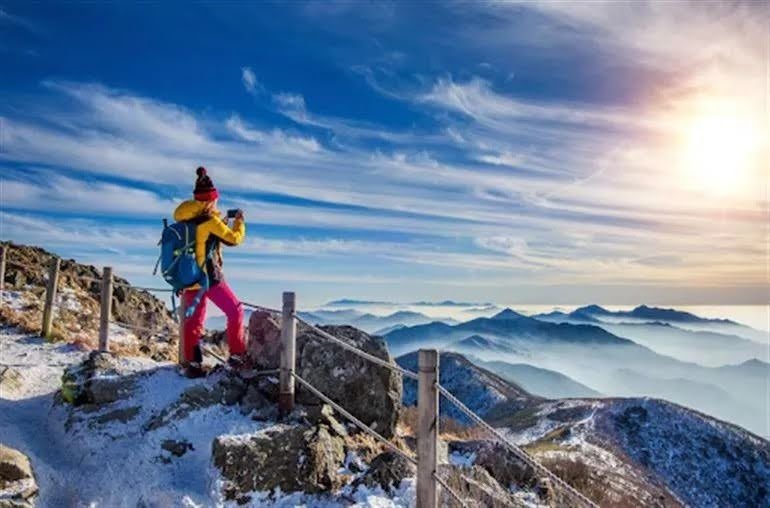
The Himalayas attract Malaysian travellers with their snow-covered peaks, peaceful valleys, and landscapes unlike those at home. However, not every mountain holiday offers the same experiences. Travellers exploring a nepal tour package from malaysia may discover ancient temples, lakeside towns, and panoramic mountain viewpoints, while Kashmir offers beautiful gardens, houseboats, and alpine scenery. Choosing between these destinations involves considering more than photographs of mountains. Travel connections, seasonal conditions, cultural interests, and preferred activities all influence which journey delivers the most satisfying holiday experience for different visitors.
Comparing Two Distinct Himalayan Experiences
Nepal and Kashmir share dramatic mountain scenery, but their geographical and cultural identities differ considerably. Nepal is an independent Himalayan country known for Buddhist and Hindu heritage, traditional settlements, and access to famous trekking regions. Kashmir is a mountainous region in northern India, celebrated for its lakes, gardens, and distinctive Kashmiri culture. Visitors seeking temples and panoramic mountain viewpoints may prefer Nepal, while those interested in alpine valleys and houseboat stays may favour Kashmir. Understanding these differences prevents travellers from expecting identical experiences across both destinations.
Discovering Nepal Beyond Mountain Trekking
Nepal is not exclusively a destination for experienced hikers. Kathmandu offers historic squares, traditional architecture, and significant religious landmarks, including Boudhanath Stupa and Swayambhunath. Pokhara provides a more relaxed environment, with Phewa Lake and views towards the Annapurna mountains. Nagarkot is another popular option for travellers hoping to enjoy Himalayan scenery without undertaking difficult treks. Families can combine cultural sightseeing with gentle outdoor activities. However, mountain visibility depends on weather conditions, so sunrise views should be considered opportunities rather than guaranteed highlights.
Experiencing Kashmir’s Lakes And Valleys
Kashmir offers a different kind of mountain holiday, especially for visitors who enjoy scenic drives and peaceful waterside experiences. Travellers considering a kashmir tour package from malaysia can explore itineraries featuring Srinagar’s Dal Lake, the gardens of the Mughal period, and excursions towards Gulmarg or Pahalgam. Shikara rides and traditional houseboat accommodation provide memorable experiences beyond ordinary hotel stays. During suitable seasons, visitors may also enjoy green meadows or snow-related activities. Actual accessibility depends on local weather, transport conditions, and attraction operations.
Understanding Seasonal Differences Before Travelling
Choosing the right season can influence the entire Himalayan experience. Nepal’s autumn months generally offer favourable conditions for mountain views, while spring attracts visitors with pleasant weather and flowering landscapes. Kashmir experiences distinct seasonal changes, including spring blossoms, green summer valleys, autumn foliage, and winter snowfall. However, snowfall does not occur everywhere throughout winter, and heavy weather can affect transport routes. Malaysian travellers should research temperatures for specific destinations and elevations. Appropriate clothing and flexible plans are particularly important when visiting mountainous areas with unpredictable conditions.
Considering Comfort And Physical Accessibility
Travellers should assess the physical demands of an itinerary before selecting a mountain destination. Kathmandu’s heritage attractions may involve uneven pathways and considerable walking, while some Nepal excursions include winding roads or higher elevations. Kashmir’s scenic drives and lake activities may suit visitors seeking gentler experiences, although mountain routes can still be tiring. Families travelling with elderly parents should consider hotel accessibility, road journey durations, and opportunities for rest. High-altitude destinations require additional precautions because rapid ascent can cause altitude-related illness even without strenuous trekking.
Evaluating Food And Cultural Preferences
Dining experiences differ between the two regions, creating opportunities for cultural discovery. Nepalese cuisine includes dishes such as dal bhat and momos, while Kashmiri cooking is associated with aromatic rice dishes, slow-cooked meats, and traditional breads. Travellers requiring halal meals should confirm preparation methods and restaurant suitability instead of assuming every available dish meets their requirements. Religious customs, photography restrictions, and appropriate clothing also deserve attention when visiting temples or heritage sites. Learning about local traditions beforehand helps visitors approach unfamiliar surroundings respectfully and confidently.
Planning Connections And Holiday Budgets
Travel logistics may ultimately determine which destination fits a Malaysian family’s schedule. Nepal itineraries commonly begin in Kathmandu, with additional journeys required for Pokhara or other regional destinations. Kashmir holidays generally involve reaching Srinagar through suitable flight connections within India. Travellers should compare total journey durations rather than examining flight prices alone. Visa requirements, transfers, accommodation standards, and optional excursions also affect budgets. Confirming package inclusions before payment helps distinguish genuine value from attractive headline prices that exclude important arrangements or additional transport.
Conclusion
The most suitable Himalayan destination is not necessarily the one with the highest mountains or the most famous viewpoints. Nepal appeals to travellers fascinated by mountain cultures and historic settlements, while Kashmir offers distinctive lakeside traditions and seasonal alpine landscapes. Through dhesu.com, Malaysian travellers can examine itineraries covering these different experiences. Before choosing between them, families should identify their preferred season and acceptable altitude, especially when travelling with older relatives. Those two considerations may prove more useful than comparing photographs of snow-covered peaks alone.
