


Most women have heard of the lymphatic system, but few realize how directly it affects the way their body looks and feels every day. Bloating that won’t quit. Puffiness that peaks before your period. Skin that looks congested no matter how much water you drink. Fatigue that sleep doesn’t fix. These aren’t random symptoms. They’re often the body’s way of signaling that its internal detox network is running below capacity.
What the Lymphatic System Actually Does
Your lymphatic system is a body-wide network of vessels, nodes, and organs responsible for collecting metabolic waste, filtering pathogens, and returning clean fluid to the bloodstream. It’s your internal sewage and immune system combined, and unlike your circulatory system, it has no pump. It depends entirely on muscle movement, breathing, and physical stimulation to keep flowing.
When it stalls due to sedentary habits, chronic stress, hormonal fluctuations, or even tight clothing that compresses lymph pathways, waste and fluid accumulate in the tissue. The results are visible and felt throughout the body.
7 Signs Your Lymphatic System May Be Congested
Persistent puffiness in the face, hands, or ankles that takes hours to resolve after waking is one of the earliest signs. Chronic bloating that isn’t directly tied to what you ate is another. Stagnant lymph around the abdomen creates the same heavy, swollen sensation as digestive bloating but doesn’t respond to dietary changes alone.
Stubborn cellulite, especially on the thighs and hips, is a structural sign of lymphatic congestion and poor circulation in the tissue. Frequent illness or slow recovery signals that lymph nodes, which house immune cells, are overloaded. Brain fog and difficulty concentrating can reflect impaired glymphatic clearance during sleep. Skin problems including dull tone, congested pores, and hormonal breakouts often worsen when the lymphatic system is backed up. And sore or tender lymph nodes in the neck, armpits, or groin that aren’t connected to an active illness are a direct signal of overload.
What Helps
Movement is the most accessible tool. Even 10 minutes of walking, rebounding, or gentle yoga activates the muscle contractions that pump lymphatic fluid. Daily hydration matters more than most people realize, since lymph is primarily water and thickens when the body is chronically dehydrated.
Dry brushing, which involves moving a natural bristle brush in firm upward strokes toward the heart before showering, mechanically stimulates the lymphatic vessels just beneath the skin and has been used in traditional wellness practices for centuries.
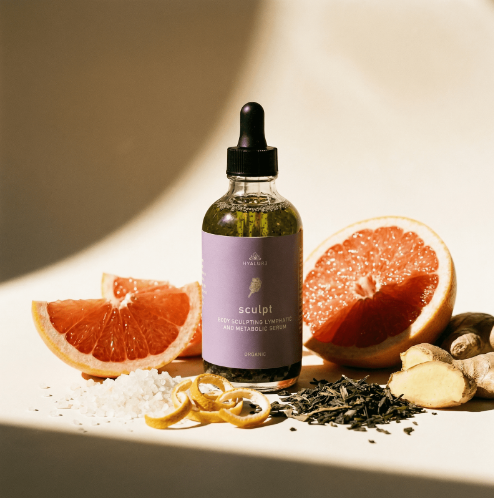
The most recent development in lymphatic wellness is transdermal botanical support: applying targeted serums to key lymph node clusters, particularly the underarms, neck, and groin, before bed, allowing botanical actives to work during the body’s natural overnight repair window. Women using dedicated lymphatic drainage serums for women are reporting noticeably reduced puffiness, lighter mornings, and clearer skin within the first week of consistent use.
Hyaluxe offers a full range of handmade, preservative-free formulas built specifically around this approach, with zero synthetic fragrance and ingredients sourced from quality farms.
