


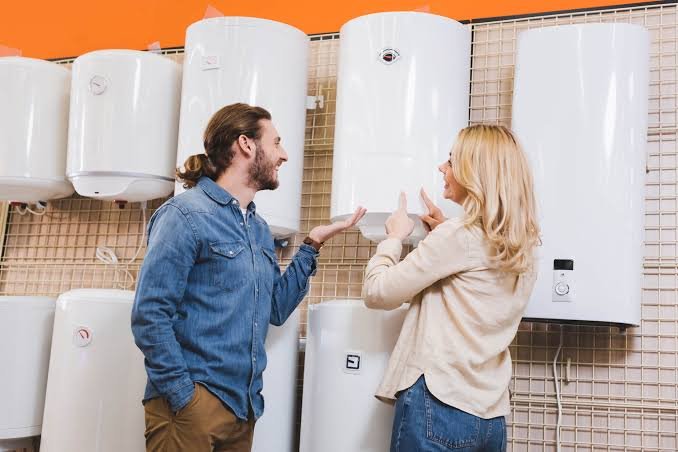
Are cold showers making mornings less enjoyable? Choosing the right water heater can make a big difference in home comfort. Many people struggle to find the best model for their needs.
There are so many types, sizes, and features to consider. Picking the wrong one can lead to higher bills or not enough hot water. A smart choice means more savings and consistent hot water.
This guide will show how to select the perfect water heater for any home, ensuring warmth and peace of mind. Keep on reading!
Understanding Water Heater Types
There are different kinds of water heaters. Most of the time, storage tank heaters are used. These keep hot water in a tank so that you can use it later.
Without a tank, heaters only heat water when it’s needed. Heat pump water heaters use electricity to move heat from the ground or air. Solar water heaters get their power from the sun. Each type has pros and cons.
Even though storage tanks are cheap, they can run out of hot water. Tankless models use less energy, but they cost more at first. Knowing the differences helps you decide what to do.
Consider Energy Efficiency
Choosing a water heater that uses little energy is important. Smart models use less electricity and save money over time. Keep an eye out for the Energy Star sign.
Often, tankless heaters use less power than storage tanks. Solar and heat pump heaters work very well, but they might cost more at first. Insulation also affects efficiency.
Tanks with better insulation lose less heat. The environment should use less energy. Improving efficiency can save you a lot of money.
Capacity: How Much Hot Water Do You Need?
Consider the amount of hot water that is consumed by the household daily. Families have a greater demand for hot water than individuals do. The size of a storage tank is often expressed in gallons.
Flow rate, measured in gallons per minute, is used to assign ratings to tankless heaters. Think about the requirements for showers, laundry, and dishwashing. If the heater is insufficient, the showers will be chilly.
An excessively large size wastes both energy and money. For a family of four, they recommend a tank with a capacity of 40 gallons. A size that is just right ensures that everyone is content and comfortable.
Fuel Source Options
Water heaters use different fuel sources. The main options are electricity, natural gas, propane, and solar power. Each has benefits and drawbacks.
Gas heaters heat water faster but may need special venting. Electric models are easy to install and maintain. Propane models are good for areas without natural gas.
Fuel choice affects running costs and installation needs. Check what fuel types are available at home. Choose the best fit for budget and location.
Installation Space and Placement
Consider the location of the water heater. For example, large storage tanks require a significant amount of space. You can save space by mounting tankless models on a wall.
Heat pumps require additional space to facilitate airflow. Some models are available with the option of being installed outside. Check the local regulations and safety standards.
The installers can assist in determining the optimal location. This ensures that the system continues to function properly. When you plan, you can avoid problems later on.
Comparing Costs
Price is important, but it is not exclusive to the cost of the purchase. Some models are more affordable to purchase but have higher operating costs. The initial cost of high-efficiency heaters may be high, but they significantly reduce monthly energy bills.
Make sure you look into rebates and incentives for energy-efficient models. Not to mention installation costs. The overall cost will increase over time due to repairs and maintenance.
Solar and heat pump heaters may have higher initial costs. Compared to storage tanks, tankless heaters have a longer lifespan. Think about the value over the long term, not just the price stated on the label.
Maintenance and Longevity
Every single water heater requires some maintenance. Regular maintenance helps them last longer. Storage tanks should be flushed once a year to remove sediment.
To maintain their functionality, tankless models require scale removal. Special inspections might be required for solar heaters and heat pumps. Make sure to pick a model that corresponds to the amount of maintenance you’re willing to do.
Some brands offer longer warranties. A heater’s lifespan can be doubled if it is properly maintained.
Safety Features to Look For
When it comes to water heaters, safety is the primary concern. Try to find models that have a good set of safety features. Temperature controls can help prevent scalding.
Pressure relief valves protect against high pressure. A few heaters come equipped with leak detection and automatic shut-off. Anti-scale systems can help prevent damage within the tank.
When tanks are insulated, the risk of burns is reduced, and energy is saved. Venting and carbon monoxide detectors are two components that should be present in gas heaters.
Choose a brand that has a solid reputation for offering a safe product. Safe heaters help protect family members and property. Follow the manufacturer’s instructions at all times.
Where to Buy the Right Water Heater
Finding the right water heater is easier than ever. Many hardware stores sell different types and sizes. Online stores often have bigger selections and reviews.
Professional installers can recommend the best brands. Comparing prices and features is simple online. It’s a good idea to read customer feedback before buying.
Some websites let you filter by capacity, fuel type, and efficiency. For a wide range of options, visit https://www.simcodirect.co.uk/collections/water-heaters to explore models that suit different needs. Check for discounts or free shipping offers. Make sure to choose a seller with good support.
Making the Right Water Heater Choice
Choosing the perfect water heater becomes easier with careful planning and simple checks. Energy use, size, space, and setup all help guide a smart decision. The right model can provide comfort while keeping costs under control.
Every home has unique needs, so compare options before buying. This guide offers helpful tips for finding a heater that fits well and supports long-term comfort through careful choices that match home needs and better planning for future water use.
Did you like this guide? Great! Please browse our website for more!
