


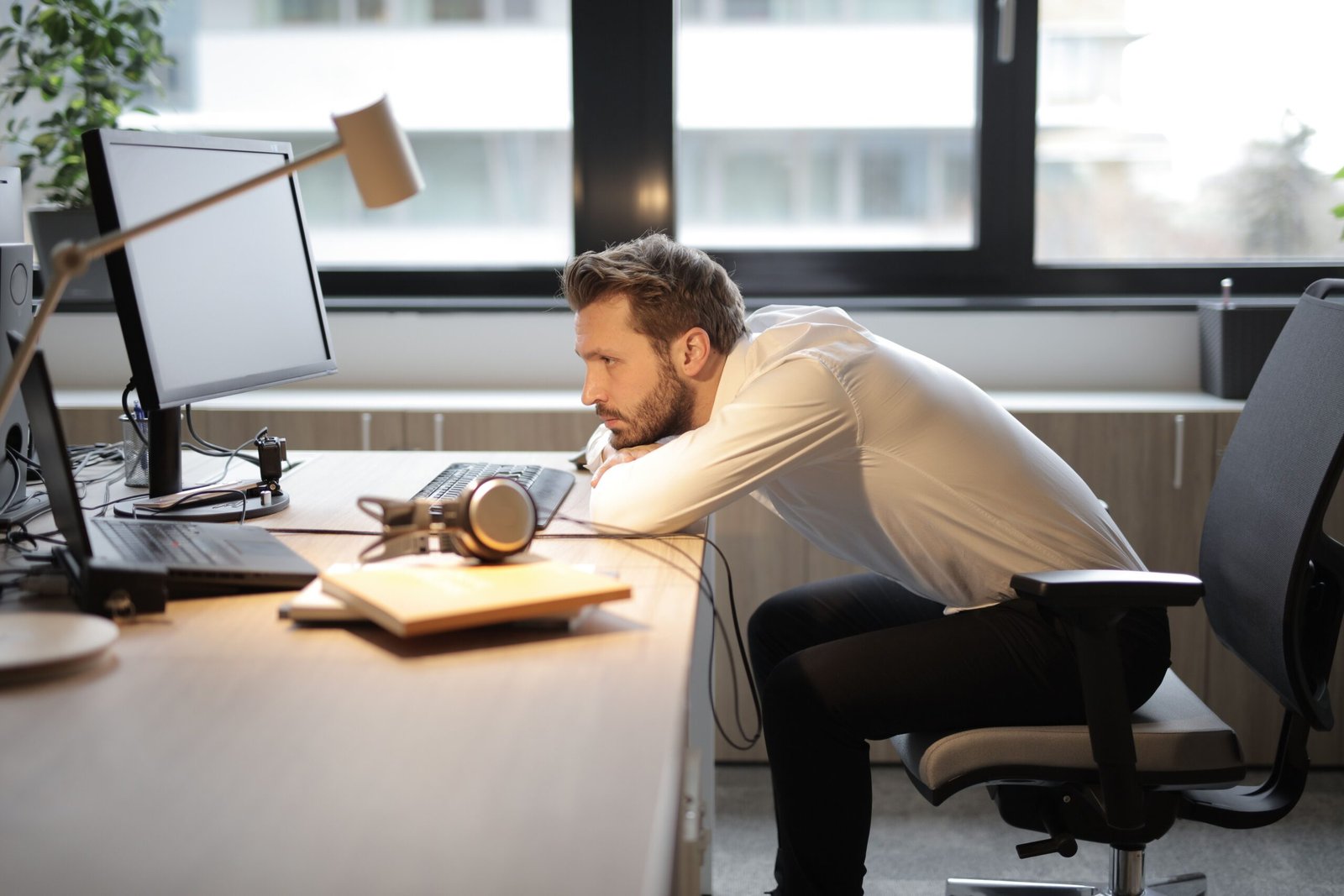
Poor posture is often associated with a stiff neck or sore shoulders, but its effects can extend throughout the body. The way you sit, stand, walk, and move influences how your muscles and joints work together. Over time, consistently poor alignment may contribute to back discomfort, restricted movement, muscle fatigue, breathing changes, and altered pelvic mechanics, making good posture an important part of overall physical health.
What Is Poor Posture?
Posture refers to how you position and hold your body while sitting, standing, lying down, and moving. Good posture does not mean keeping your body perfectly straight or rigid at all times. Instead, healthy posture allows your body to maintain comfortable alignment while distributing physical demands across different muscles and joints.
Poor posture can develop from habits such as slouching at a desk, rounding the shoulders, leaning to one side, or frequently looking downward. Certain activities, muscle weaknesses, previous injuries, and limited mobility can also influence how you hold yourself.
Everyone changes position throughout the day, and occasional slouching is unlikely to cause lasting problems on its own. The concern is more often related to spending long periods in the same inefficient position without enough movement or variation.
How Poor Posture Affects Your Spine and Back
One of the most noticeable consequences of poor posture is increased strain on the muscles and structures supporting the spine. When your head, shoulders, pelvis, or trunk move away from a comfortable position, some muscles may need to work harder to keep you stable.
For example, sitting with a rounded back for extended periods can place additional demands on the muscles around your spine. You may eventually notice aching, tightness, or fatigue in your upper or lower back, especially after working at a desk or spending a long time in one position.
Why Your Lower Back May Feel the Effects
Your pelvis and lower spine work closely together. When your pelvis repeatedly tilts or shifts because of your sitting or standing habits, it can influence the position and movement of your lower back.
This does not mean that one posture automatically causes back pain. Back discomfort can have many contributing factors, including activity levels, strength, sleep, stress, previous injuries, and other health conditions. However, improving movement variety and developing better postural awareness can be useful components of a broader approach to back health.
Poor Posture Can Influence Breathing
Posture can affect more than your muscles and joints. The position of your upper body also influences how easily your rib cage, diaphragm, and surrounding muscles can move during breathing.
When you sit or stand with your chest collapsed forward, your rib cage may have less freedom to expand. This can encourage a more shallow or restricted breathing pattern for some people, particularly when the posture is maintained for long periods.
The Link Between Posture and Breathing Mechanics
Your diaphragm is a major muscle involved in breathing and works in coordination with muscles throughout your trunk. Efficient breathing requires movement through the rib cage and abdomen rather than relying heavily on the upper chest and neck.
Improving your posture by allowing your spine and rib cage to move naturally may help create a more comfortable breathing position. Rather than forcing your shoulders backward or holding yourself stiffly upright, focus on a relaxed, balanced position that allows your chest and abdomen to expand.
Your Hips and Pelvis Can Be Affected Too
The body functions as a connected system, so changes in one area can influence how other regions move. The position of your pelvis, for example, can affect how your hips, lower back, and abdominal muscles coordinate during everyday activities.
Long periods of sitting may keep your hips in a bent position while reducing opportunities to activate the muscles responsible for standing, walking, and stabilizing the pelvis. Over time, this may contribute to a feeling of tightness or reduced mobility around the hips.
Understanding Pelvic Alignment
Your pelvis serves as an important connection between your upper and lower body. It helps transfer forces between your spine and legs during movements such as walking, lifting, climbing stairs, and getting up from a chair.
Changes in pelvic positioning do not automatically indicate a problem. Bodies naturally move through different positions, and there is no single posture that everyone must maintain. What matters more is whether you have adequate mobility, strength, coordination, and the ability to change positions comfortably.
For people experiencing pelvic discomfort, pressure, leakage, or other pelvic health concerns, a qualified healthcare professional can assess the underlying factors. In appropriate cases, pelvic floor therapy in Pleasant Grove may be included as part of an individualized treatment plan to address muscle coordination, strength, relaxation, and functional movement.
Poor Posture Can Change How You Move
Posture is not just about how you look while sitting or standing. It can influence how your body moves during everyday activities. If certain muscles become overworked while others are underused, you may develop movement patterns that feel less efficient.
For instance, someone who spends much of the day sitting may find it uncomfortable to fully extend the hips when standing or walking. Another person may compensate for limited upper-back mobility by moving the neck or shoulders more than necessary.
These compensations can become habitual when repeated frequently. They do not necessarily mean that damage is occurring, but they may contribute to muscle fatigue or discomfort, particularly when combined with repetitive activities or insufficient recovery.
Balance and Body Awareness
Posture is also connected to balance and proprioception, which is your body’s ability to sense its position and movement. Maintaining comfortable alignment while moving can help you recognize where your body is in space and coordinate different muscle groups.
As you become more aware of how you sit, stand, bend, and walk, you may find it easier to identify positions that create unnecessary tension. This awareness can help you make small adjustments before discomfort becomes a recurring issue.
How to Improve Your Posture Without Becoming Rigid
Improving posture does not require holding yourself perfectly upright all day. In fact, staying rigid in one position for hours can create its own discomfort. A healthier approach is to develop a range of comfortable positions and change them regularly.
If you work at a desk, start by adjusting your chair, work surface, and screen so that you can maintain a relaxed position. Keep your feet supported, allow your shoulders to relax, and avoid constantly reaching your head or neck forward.
Move Instead of Maintaining One Position
One of the most effective strategies for managing posture is regular movement. Stand up, walk around, stretch gently, or change your sitting position throughout the day. Movement allows different muscles and joints to share the workload rather than remaining under continuous stress.
You can also incorporate exercises that support the muscles responsible for trunk, hip, and shoulder stability. Strengthening these areas may make it easier to maintain comfortable alignment during everyday activities.
Focus on Comfortable Alignment
When adjusting your posture, avoid trying to pull your shoulders excessively backward or force your spine into a perfectly straight position. Instead, think about creating a balanced position in which your head, rib cage, pelvis, and feet are comfortably coordinated.
Your ideal posture may look different from someone else’s. Individual anatomy, flexibility, occupation, and activity level all play a role. The goal should be comfortable, adaptable movement rather than achieving a specific appearance.
When Posture-Related Symptoms Need Professional Attention
Occasional discomfort after sitting, standing, or working in an awkward position is common. However, symptoms that persist, worsen, or interfere with daily activities may warrant an evaluation from a qualified healthcare professional.
A physical therapist can assess your posture and movement patterns while considering your strength, flexibility, joint mobility, activity level, and individual goals. Treatment may involve targeted exercises, mobility work, hands-on techniques, education, and changes to your daily movement habits.
You should also seek appropriate medical care when discomfort is accompanied by symptoms such as significant weakness, numbness, unexplained changes in coordination, severe pain, or other concerning physical changes. These symptoms should not automatically be attributed to posture.
The most useful approach is to look beyond posture alone. Instead of simply trying to “sit up straight,” consider what may be contributing to your position and how you can improve your overall movement capacity.
Building Healthier Posture Habits Every Day
Small changes can make a meaningful difference when practiced consistently. Begin by noticing how long you stay in one position and look for opportunities to move more frequently. Alternating between sitting, standing, walking, and other comfortable activities can reduce the amount of time your body spends under one type of physical demand.
It can also help to consider your posture during activities beyond work. Pay attention to how you hold your body while using devices, driving, reading, exercising, cooking, or relaxing. The goal is not to monitor yourself constantly but to develop an awareness that encourages more movement variety.
Finally, remember that posture is only one piece of physical health. Regular physical activity, adequate recovery, strength, mobility, and appropriate treatment for existing conditions all contribute to how comfortably your body functions. Improving posture works best when it is part of a broader movement-focused lifestyle.
Conclusion
Poor posture can influence much more than your neck. Because the body works as a connected system, prolonged or repetitive positions may affect the spine, shoulders, hips, pelvis, breathing mechanics, balance, and movement patterns. Rather than aiming for perfect posture, focus on comfortable alignment, regular movement, and appropriate strengthening. If persistent symptoms develop, professional guidance can help identify the right approach for your needs.
