


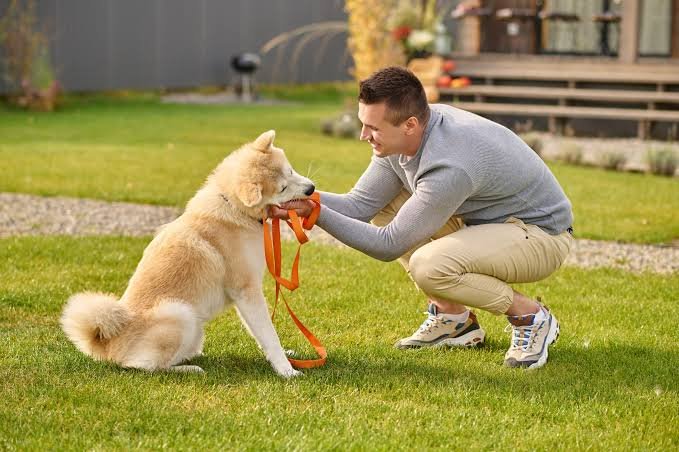
Dog toilet training is an important part of raising a happy, healthy, and well-behaved pet. While many owners try to handle the process on their own, toilet training can sometimes be more difficult than expected. Puppies may have accidents around the house, struggle to understand where they should go, or fail to follow a consistent routine. Older dogs can also develop unwanted toilet habits that may take time and patience to correct. Working with a professional trainer can make the process more structured and manageable while helping owners understand how to communicate effectively with their dogs.
Professional Knowledge and Experience
One of the biggest reasons to choose an expert dog toilet training is the experience they bring to the process. Professional trainers have worked with dogs with different personalities, ages, breeds, and behavioural challenges. This experience allows them to identify why a dog may be struggling with toilet training and recommend an approach that suits its individual needs. Instead of repeatedly trying different methods without knowing what works, owners can receive practical guidance from someone who understands canine behaviour and training techniques.
A trainer can also help owners recognise the difference between normal toilet training accidents and behaviours that may require additional attention. Puppies naturally need time to develop bladder control and understand household routines. A professional can explain what owners should reasonably expect at each stage and help them establish realistic goals.
Establishing a Consistent Routine
Consistency is one of the most important elements of successful dog toilet training. Dogs learn through repetition, and a predictable routine can help them understand when and where they are expected to toilet. However, busy owners may find it difficult to create and maintain a suitable schedule.
A professional trainer can help create a practical routine based on the dog’s age, lifestyle, feeding schedule, and individual needs. The trainer can explain when the dog should be taken outside, how long to wait, and what owners should do after the dog successfully toilets in the correct location. Following a consistent routine can make the learning process clearer for the dog and easier for the owner.
Understanding Your Dog’s Behaviour
Dogs communicate in different ways, and some toilet-related behaviours may be difficult for owners to understand. A dog may walk around restlessly, sniff the floor, circle an area, or move towards a door when it needs to toilet. Recognising these signs early can help owners prevent accidents.
A trainer can teach owners how to identify these signals and respond appropriately. Understanding a dog’s behaviour can also help reveal patterns behind repeated accidents. For example, a dog may have accidents because it is not being taken outside frequently enough or because it has not yet learned the correct location. Professional guidance can help owners identify these patterns and make appropriate adjustments.
Reducing Confusion and Frustration
Toilet training can become frustrating when a dog continues to have accidents despite repeated attempts to teach it. Owners may become confused about what they are doing wrong, while the dog may become confused if the rules are inconsistent. A trainer can provide clear instructions and demonstrate appropriate techniques, reducing unnecessary trial and error.
Professional support can also help owners remain patient throughout the process. Toilet training takes time, particularly with young puppies. Accidents are often part of the learning process, and reacting negatively can make the situation more difficult. A knowledgeable trainer can show owners how to respond calmly and focus on reinforcing desirable behaviour.
Using Positive Training Techniques
Professional trainers can help owners use appropriate rewards and positive reinforcement during toilet training. When a dog toilets in the correct place, providing timely positive feedback can help it understand which behaviour is desirable. The reward needs to be given at the right moment so that the dog can connect the action with the positive response.
A trainer can also help owners understand how to avoid methods that may create fear or confusion. Effective training should focus on teaching the dog what is expected rather than simply punishing unwanted behaviour. A positive and consistent approach can help create a more comfortable learning environment for both the dog and its owner.
Addressing Persistent Toilet Training Problems
Some dogs may continue to have accidents even after their owners establish a regular routine. Persistent problems can be particularly challenging when owners cannot identify the cause. A professional trainer can assess the dog’s behaviour and look for patterns that may be contributing to the problem.
For example, a dog may have difficulty adjusting to a new home, experience changes in its routine, or develop habits that are difficult to break. A trainer can help owners modify the training approach and create a more suitable plan. If a trainer suspects that a medical issue could be contributing to unusual toilet behaviour, owners should also consult a qualified veterinarian.
Saving Time and Building Owner Confidence
Hiring a trainer can save owners considerable time by providing a structured approach from the beginning. Rather than experimenting with multiple techniques, owners can learn how to train their dogs correctly and consistently. This can make the overall process more efficient and reduce frustration.
Professional guidance can also give owners greater confidence. Knowing what to do when an accident occurs, how to recognise toilet signals, and how to reward successful behaviour can make everyday training much easier. The skills learned during toilet training can also be useful when teaching other behaviours in the future.
Creating Better Habits for the Future
Dog toilet training is not only about preventing accidents in the house. It is about establishing good habits that can continue throughout the dog’s life. A dog that learns consistent toilet routines from an early age may find it easier to adapt to changes in its environment and daily schedule.
A professional trainer can help owners build these habits while also teaching them how to maintain consistency after formal training sessions have ended. This gives owners the tools they need to continue supporting their dog’s behaviour independently.
Conclusion
Choosing a trainer for dog toilet training can provide valuable support for owners who want a structured and effective approach. Professional experience, consistent routines, behavioural understanding, positive reinforcement, and personalised guidance can make the training process easier for both dogs and their owners. While some dogs may learn toilet habits successfully with home training, professional assistance can be especially useful when accidents continue or owners are unsure how to proceed. With patience, consistency, and the right guidance, dog toilet training can become a smoother experience and help establish good habits for years to come.
