


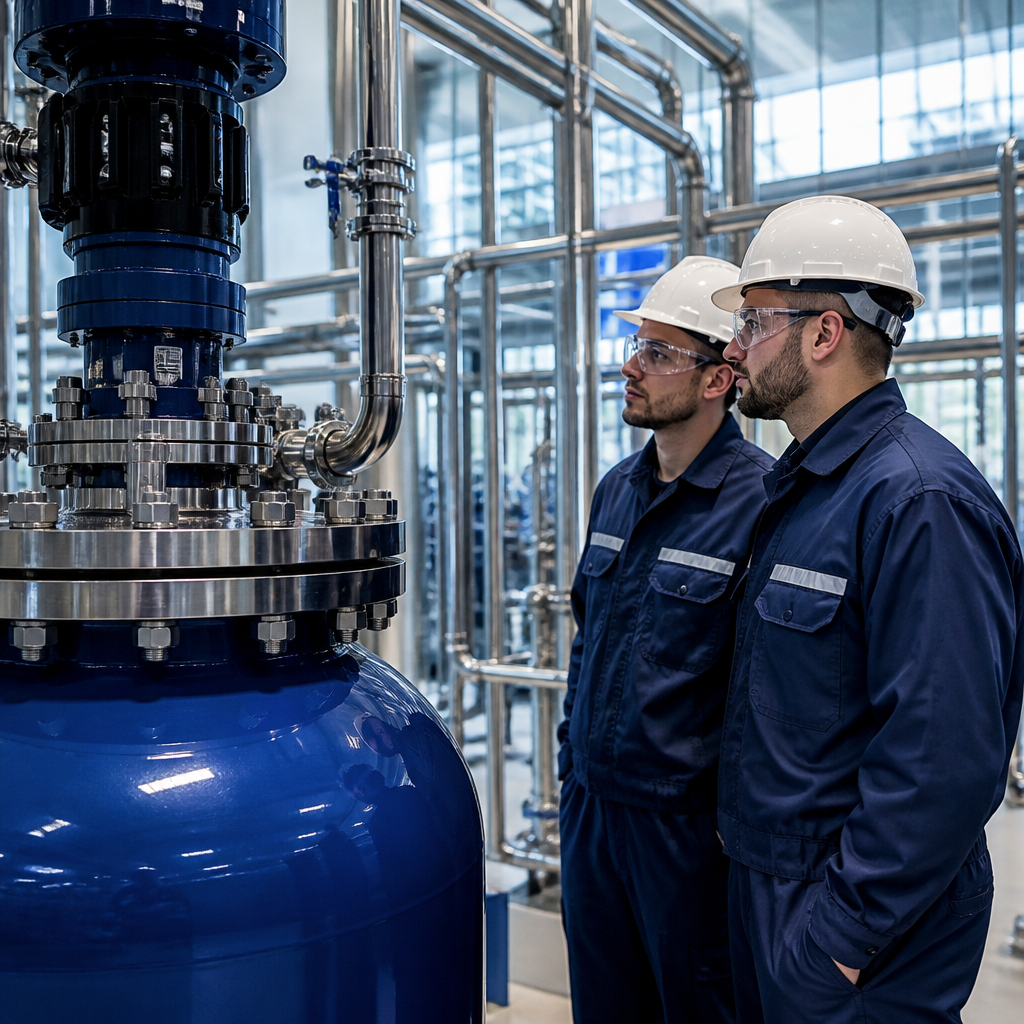
Choosing the right reactor for a chemical processing facility is one of the most consequential decisions an engineer or plant manager will make. The materials used in reactor construction directly affect product purity, operational longevity, maintenance costs, and safety outcomes. Among the most debated choices in the industry is whether to invest in glass lined reactors or opt for stainless steel alternatives. Understanding the nuances of each option — and knowing when one clearly outperforms the other — can save facilities significant time, money, and regulatory headaches over the long term.
Why Reactor Material Selection Matters More Than Most Realize
In industrial chemical processing, the reactor vessel is not simply a container. It is an active participant in every reaction that takes place within it. The inner surface of a reactor can interact with process media, influence temperature distribution, contribute to contamination, or resist corrosion depending on what it is made of. A poor material choice can lead to product contamination, accelerated corrosion, costly downtime, and even catastrophic failure in extreme cases.
This is why the decision between glass lined and stainless steel reactors deserves rigorous analysis rather than a default preference. Each material has a distinct set of strengths and limitations that make it better suited to specific applications, chemical environments, and operational demands.
The Case for Glass Lined Reactors
Superior Chemical Resistance in Corrosive Environments
Glass lined reactors are constructed with a carbon steel or cast iron shell fused with a borosilicate glass interior. This glass lining provides exceptional resistance to a wide range of corrosive chemicals, including strong acids, halogens, and many organic solvents. In pharmaceutical manufacturing, fine chemical production, and agrochemical processing, where product purity is non-negotiable, glass lined vessels are often the preferred choice precisely because the inert glass surface does not leach metallic ions into the product stream.
The smooth, non-porous glass surface also resists bacterial growth and simplifies cleaning validation — a critical factor in regulated industries. For facilities operating under GMP (Good Manufacturing Practice) standards, this characteristic alone can justify the investment in glass lined technology.
Limitations That Engineers Must Account For
Despite their advantages, glass lined reactors are not without drawbacks. The glass lining is susceptible to mechanical damage from abrasive materials, sudden thermal shock, and impact. Once the lining is chipped or cracked, the exposed metal substrate becomes vulnerable to corrosion, and the entire vessel may require relining or replacement. This makes careful handling and regular inspection protocols essential components of any glass lined reactor maintenance program.
Stainless Steel Reactors: Durability With Trade-Offs
Mechanical Strength and Versatility
Stainless steel reactors offer outstanding mechanical strength and can withstand higher operating pressures and temperatures than glass lined alternatives in many configurations. They are also more resistant to physical impact and abrasion, making them a natural fit for processes involving slurries, solid-liquid mixtures, or high-shear agitation. Stainless steel is also easier to repair in the field — a weld can often address damage that would require full relining in a glass lined vessel.
Where Stainless Steel Falls Short
The primary limitation of stainless steel is its vulnerability to certain corrosive media. Chloride-containing environments, strong acids, and highly oxidizing chemicals can attack stainless steel surfaces, leading to pitting corrosion, stress corrosion cracking, and eventual failure. In these scenarios, even high-grade alloys like 316L stainless steel may not provide adequate protection without additional surface treatments or exotic alloy upgrades — both of which significantly increase capital costs.
Key Factors to Evaluate When Making Your Selection
When evaluating reactor options, engineers should consider the following criteria systematically rather than relying on industry habit or vendor preference alone:
Chemical compatibility: Map every chemical that will contact the reactor surface across all process stages, including cleaning agents and solvents. This is the single most important factor in material selection.
Operating conditions: Assess temperature ranges, pressure requirements, and the presence of abrasive solids. Glass lined reactors have defined operating limits that must not be exceeded.
Product purity requirements: Pharmaceutical and food-grade applications typically demand the inert surface characteristics that glass lining provides. Industrial chemical production may have more flexibility.
Total cost of ownership: Initial purchase price is only one component. Factor in maintenance frequency, lining inspection costs, potential downtime, and the cost of repairs or replacement over the vessel’s expected service life.
Regulatory environment: Understand what your industry’s governing standards require in terms of material traceability, surface finish, and documentation.
Expert Guidance From International Process Plants
For facilities navigating this complex decision, working with an experienced equipment supplier can make a substantial difference. Proper glass lined reactor selection requires a thorough understanding of process chemistry, operational demands, and long-term cost implications — expertise that International Process Plants brings to every client engagement. Their team evaluates both new and used reactor options to help facilities make informed, cost-effective decisions without compromising on performance or safety standards.
Parallels in Industrial Equipment Decision-Making
The discipline required for reactor selection mirrors the careful evaluation needed in other industrial and facility systems. Just as chemical engineers must weigh material compatibility and long-term reliability when choosing a reactor, facility managers face similar trade-offs when selecting utility systems. For example, understanding how to choose the right heating system for your facility involves balancing energy efficiency, capacity requirements, and maintenance considerations — a process that shares the same structured decision-making logic as reactor selection.
Maintenance Planning and Operational Longevity
Regardless of which reactor type a facility selects, a proactive maintenance strategy is essential to maximizing service life and minimizing unplanned downtime. For glass lined reactors, this means conducting regular spark testing to detect lining defects, training operators on proper agitator handling to prevent mechanical damage, and establishing clear protocols for thermal management during startup and shutdown cycles.
For stainless steel reactors, maintenance priorities shift toward monitoring for corrosion in vulnerable areas, verifying weld integrity, and ensuring that cleaning procedures do not introduce chloride contamination that could initiate stress corrosion cracking. Facilities that invest in comprehensive maintenance programs consistently achieve longer equipment lifespans and lower total cost of ownership across both reactor types.
It is also worth noting that ancillary systems supporting reactor operations — including drainage, fluid management, and containment infrastructure — require the same level of attention. For instance, understanding how to properly install and maintain sump pump systems is relevant for facilities managing process fluid containment and secondary containment compliance around reactor areas.
Conclusion: Make the Decision With Data, Not Defaults
The choice between glass lined and stainless steel reactors is rarely straightforward, and it should never be made based on familiarity alone. Each option carries distinct advantages and limitations that only become clear when evaluated against the specific demands of your process, your product, and your operational environment. By conducting a thorough analysis of chemical compatibility, mechanical requirements, regulatory obligations, and total cost of ownership — and by partnering with knowledgeable suppliers who understand both technologies — industrial facilities can make reactor selection decisions that deliver reliable performance for decades rather than years.
