


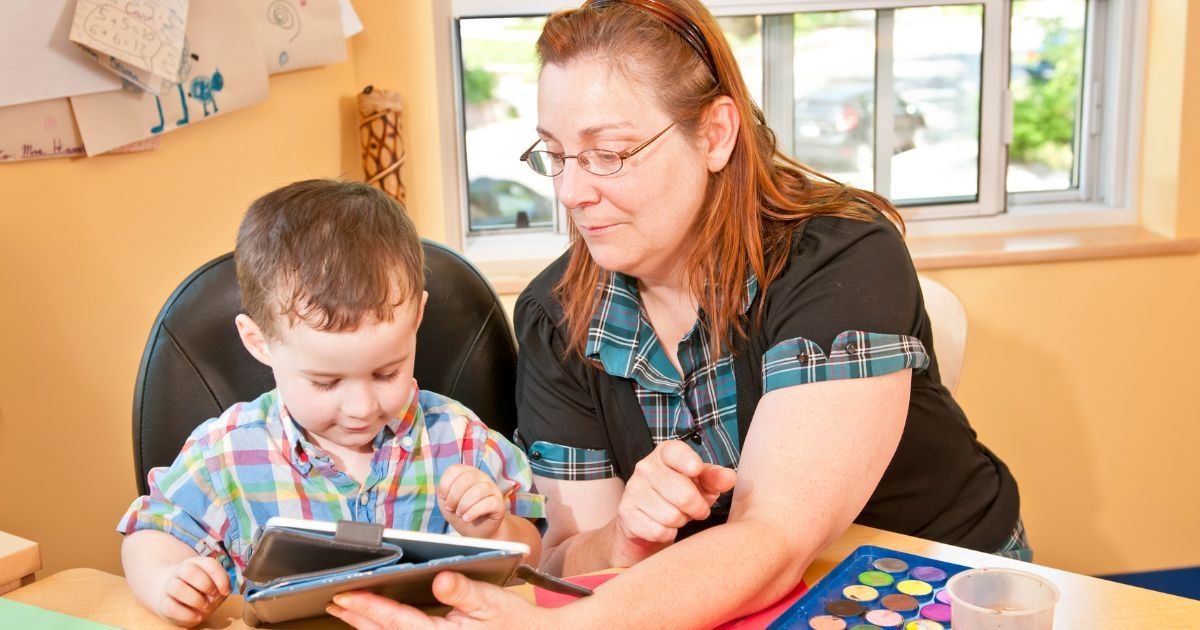
Early childhood is a formative stage when children begin developing the habits, attitudes, and social skills that influence how they approach learning. For parents exploring a top pre school in Singapore, the quality of teaching should therefore be considered alongside curriculum, facilities, and location. A meaningful early-learning experience is not simply about introducing children to letters and numbers. It is about helping them become curious, confident, communicative, and comfortable exploring the world around them.
Teachers play a central role in making this possible. Through thoughtful interactions, age-appropriate activities, observation, and encouragement, educators can turn everyday classroom experiences into opportunities for discovery and growth.
Creating a Safe and Supportive Learning Environment
Young children learn best when they feel secure, valued, and comfortable expressing themselves. Teachers help establish this sense of belonging by creating predictable routines, listening attentively, and responding positively to children’s ideas and emotions.
A supportive classroom also gives children opportunities to make choices within appropriate boundaries. Whether selecting materials, participating in an activity, or sharing an observation, these small decisions can gradually develop independence and confidence.
Teachers also influence how children interact with one another. By modelling kindness, patience, cooperation, and respect, educators help young learners understand that the classroom is a shared community where everyone’s thoughts and feelings matter.
Turning Curiosity Into Learning
Children naturally ask questions. A skilled early-years teacher does not always provide immediate answers; instead, they can encourage children to investigate, experiment, and develop their own explanations.
This approach is particularly valuable in inquiry-led learning. A simple question such as why a plant needs sunlight can develop into an exploration involving observation, drawing, discussion, measurement, and storytelling. The activity becomes more than a lesson about plants; it becomes an opportunity to practise communication, reasoning, collaboration, and problem-solving.
Play can provide similar opportunities. Building structures, creating artwork, engaging in imaginative games, or exploring sensory materials allows children to learn through direct experience. Early-years approaches based on play and inquiry can support cognitive, social, emotional, and physical development while helping children build a lasting curiosity about learning.
Understanding Each Child as an Individual
No two children develop in exactly the same way. Some may eagerly participate in group discussions, while others may initially prefer observing. One child might communicate confidently through words, while another may express ideas through drawing, movement, or imaginative play.
Effective teachers recognise these differences rather than expecting every child to learn in precisely the same manner. Observation becomes an important teaching tool. By paying attention to children’s interests, strengths, challenges, and interactions, educators can adapt activities and provide appropriate support.
This personalised approach can also help children develop confidence. When teachers recognise effort rather than focusing only on correct answers, children learn that making mistakes is a natural part of discovery.
Developing Communication and Social Skills
Early childhood classrooms are important spaces for developing communication. Conversations during stories, group activities, games, and everyday routines help children practise listening, speaking, expressing ideas, and understanding different perspectives.
Teachers can extend these interactions by asking open-ended questions and encouraging children to explain their thinking. Instead of asking only whether an answer is correct, an educator might ask, “What makes you think that?” or “What could we try next?”
Social development happens alongside communication. Children learn to share resources, negotiate roles, cooperate on activities, resolve disagreements, and recognise other people’s feelings. These experiences provide foundations for positive relationships both inside and outside school.
Preparing Children for the Next Stage of Education
Meaningful early learning should also help children develop skills that remain relevant as they progress through school. Independence, curiosity, communication, collaboration, and self-management can become increasingly important as learning becomes more complex.
This is one reason parents considering an international primary school may look closely at the continuity between early childhood and primary education. An effective transition is not simply about whether a child can read or count. It also involves confidence in asking questions, participating in groups, managing routines, and approaching unfamiliar experiences positively.
The IB Primary Years Programme, for example, uses inquiry, concepts, knowledge, skills, attitudes, and action to support children’s development as independent and lifelong learners. Its transdisciplinary approach encourages students to connect learning across subjects and apply ideas to real-world contexts.
When early-years teachers nurture these dispositions from the beginning, children can enter primary education with a stronger foundation for active participation and independent thinking.
Making Everyday Experiences Meaningful
Meaningful learning does not always require elaborate activities. A conversation about the weather can lead to questions about seasons. Preparing a snack can introduce counting, sequencing, language, and cooperation. A disagreement between classmates can become an opportunity to discuss empathy and problem-solving.
The teacher’s role is to recognise these moments and connect them to children’s existing interests and experiences.
The physical environment can support this process as well. Accessible resources, child-friendly learning spaces, outdoor areas, books, creative materials, and opportunities for hands-on exploration can encourage children to investigate independently while teachers provide guidance when needed. Purposefully designed environments can support curiosity, creativity, collaboration, and active learning.
Encouraging a Lifelong Love of Learning
Perhaps the most valuable contribution an early-years teacher can make is helping children see learning as something enjoyable rather than something they simply have to complete.
When children are encouraged to ask questions, explore interests, express ideas, and learn from mistakes, they begin to develop a positive relationship with education. Teachers can strengthen this relationship by celebrating curiosity, recognising progress, and giving children meaningful opportunities to participate in their own learning.
Conclusion
Teachers are much more than instructors during the early years. They are observers, guides, role models, facilitators, and trusted adults who help children build the confidence and skills needed for future learning. For parents evaluating a top pre school in Singapore, looking beyond worksheets and academic milestones can reveal important differences in how children are supported.
One World International School (OWIS) offers a play-based, inquiry-led Early Childhood programme within the IB PYP framework, with a focus on curiosity, communication, holistic development, and a smooth progression into the Primary Years.
