


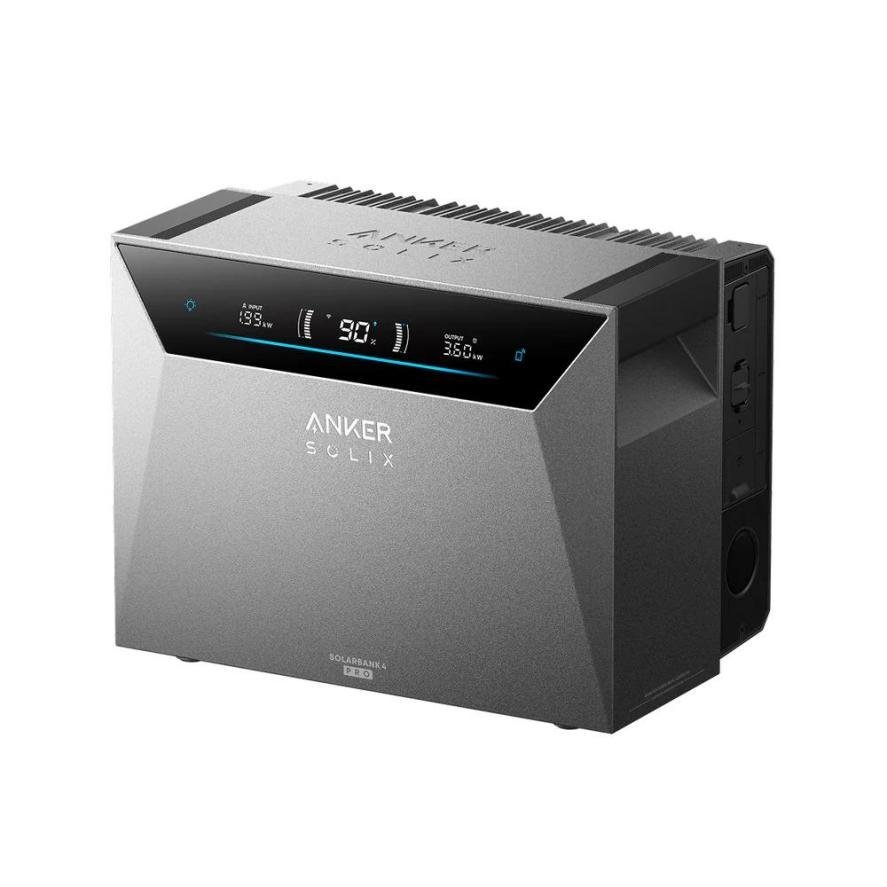
A solar battery should be installed in a location that stays dry, stable in temperature, well ventilated, and easy for qualified installers to access. For most homes, the best options are a garage, utility room, dedicated plant room, or a sheltered outdoor wall that meets the manufacturer’s clearance and safety guidance. The goal is simple: protect the battery, support efficient charging and discharging, and keep maintenance straightforward. Placement also affects cable runs, system performance, and how safely the battery connects with your solar panels and home electrics. Modern systems give homeowners more flexibility than older storage setups, but that does not mean every space is suitable. Choosing the right spot starts with practical checks such as available wall or floor space, airflow, weather exposure, and distance to the inverter and consumer unit. A well-planned installation improves reliability, battery lifespan, and day-to-day energy use across the home.
Best Places to Install a Solar Battery at Home
Indoor installation areas for protection and stability
Indoor locations are often the best choice because they protect a solar battery from rain, direct sunlight, frost, and large temperature swings. A garage is usually ideal because it offers solid walls, extra space, and easier access for installers. Utility rooms and dedicated plant rooms also work well when they remain dry and have enough ventilation. The chosen area should be away from bedrooms and main living spaces, not because normal operation is unsafe, but because service access and equipment noise are better managed elsewhere. Install the battery on a suitable wall or floor surface with required clearances around it. A stable indoor environment helps the battery operate efficiently and can support stronger long-term performance over many years.
Outdoor installation options and environmental considerations
Outdoor installation can work very well when indoor space is limited, especially on an external wall near the inverter or main electrical connections. The best outdoor position is sheltered, shaded, and protected from standing water, heavy rain exposure, and accidental impact. Avoid places that receive prolonged direct sun, since excess heat can reduce charging efficiency and place more stress on battery components. Installers should also check flood risk, salt exposure in coastal areas, and winter conditions such as frost or ice. The wall must be structurally sound and allow the required safety clearances. Outdoor systems should remain easy to reach for inspection and servicing, without being exposed to unnecessary tampering or obstruction from bins, garden storage, or vehicles.
What to Check Before Choosing a Solar Battery Location
Space, ventilation, and safety requirements
Before choosing a location, confirm that the space meets the battery’s size, clearance, and airflow requirements. Solar batteries need room around them so heat can dissipate properly and installers can work safely. Do not place them in sealed cupboards, damp basements, or cramped corners with poor air movement. The mounting surface must support the battery weight and remain stable over time. Keep the system away from open flames, high-heat appliances, and escape routes that should stay unobstructed. If the battery is installed indoors, the area should remain dry and reasonably cool throughout the year. Following manufacturer guidance and local electrical rules is essential. A safe, ventilated installation reduces avoidable stress on the battery and supports consistent daily performance.
Access, maintenance, and connection with solar systems
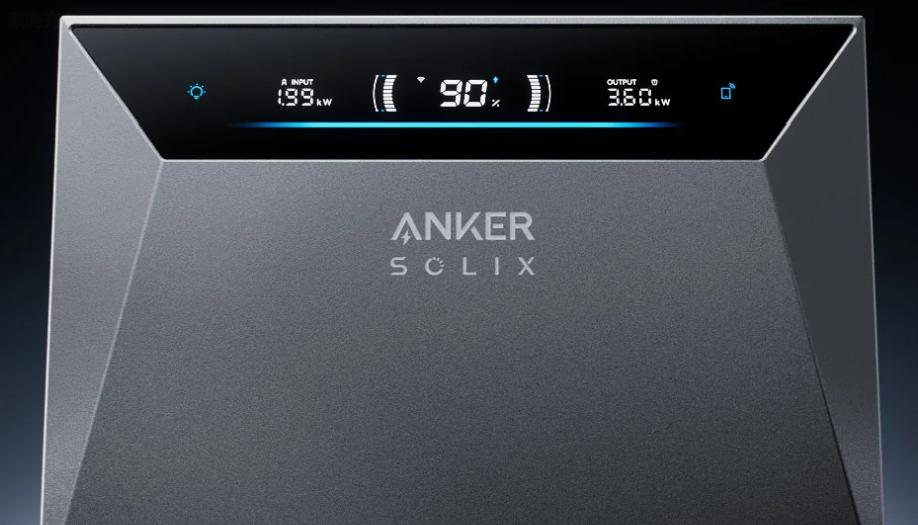
A good battery location should make installation, inspection, and future servicing straightforward. Installers need enough room to route cables safely between the battery, inverter, solar array, and consumer unit without unnecessarily long runs that can increase complexity and losses. Place the unit where indicators, shutoff points, and connections can be reached without moving heavy storage or dismantling fixtures. This matters even more for expandable systems such as the Solarbank 4 E5000 Pro, which offers 5kWh base capacity, expandable to 30kWh with up to five expansion batteries. With 800W grid-tied output, 2,500W bidirectional charging, support for up to 12 panels, and 5,000W maximum MPPT capability, it benefits from a location planned for clean cable routing and future expansion.
How Modern Solar Batteries Change Installation Choices
Benefits of flexible and modular battery designs
Modern solar batteries give homeowners more installation flexibility than older, bulkier systems. Compact designs, cleaner cable management, and modular expansion make it easier to fit storage into garages, side passages, utility spaces, or sheltered exterior walls. This flexibility is useful when a home has limited indoor room or when the battery needs to sit close to existing solar equipment. Modular systems also let homeowners start with the storage they need now and expand later without redesigning the entire setup. That can make location planning more practical, because the installer can allow for extra capacity from the start. Better product design does not remove the need for ventilation and safe clearances, but it does widen the range of suitable installation spots.
Using smart solar storage systems for better energy control
Smart solar storage systems also influence where a battery can be installed because they improve how energy is managed across the home. With app-based monitoring, charge scheduling, and grid-aware controls, homeowners can store more low-cost electricity, use more solar power after sunset, and respond better to changing tariffs. Some systems are even compatible with 870+ electricity suppliers including Octopus, making time-of-use charging more practical. This does not mean the battery can go anywhere, but it does mean installation can focus on the most suitable physical location while software handles much of the optimisation. When storage is paired with smart controls, placement decisions can prioritize safety, accessibility, and efficient connection first, without sacrificing day-to-day energy performance.
Conclusion
The best place to install a solar battery at home is usually a dry, ventilated, accessible area such as a garage, utility room, plant room, or sheltered outdoor wall. The right location protects the battery from heat, moisture, and physical damage while keeping cable runs practical and maintenance simple. Before installation, check structural support, airflow, clearances, weather exposure, and safe access to electrical connections. Modern battery systems offer more flexibility, but they still perform best when placed in a stable environment that follows manufacturer guidance. If you plan carefully, your battery will store energy more efficiently, last longer, and support better overnight and peak-time power use. A well-chosen installation spot is one of the simplest ways to improve overall home solar performance.
