


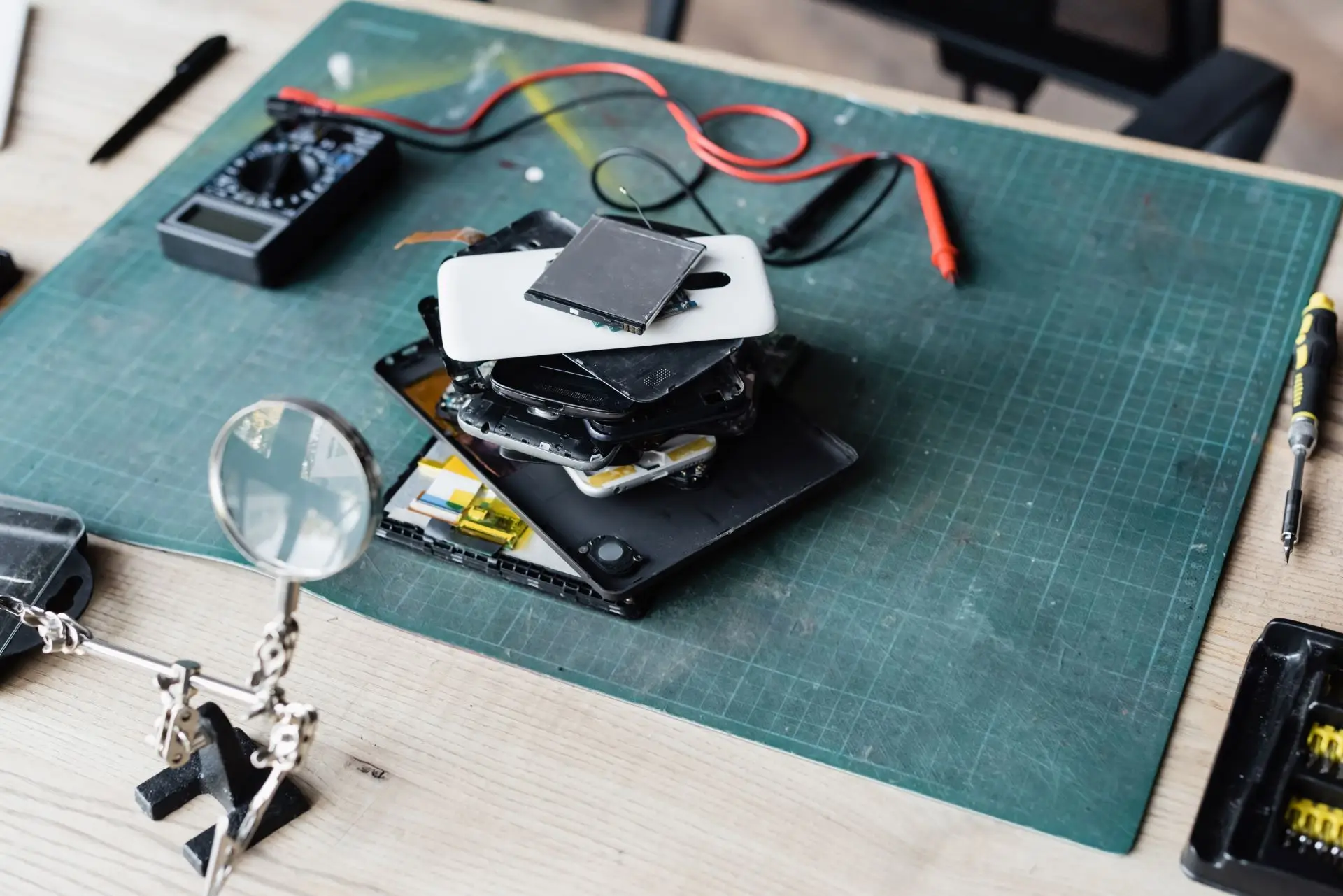
In today’s digital environment, organizations store sensitive information across a wide range of devices, from traditional hard drives to cloud backups and portable storage media. When these devices reach the end of their useful life, simply deleting files or formatting a drive is not enough to protect confidential data. Proper media sanitization and destruction are essential to prevent unauthorized access, data breaches, and compliance violations.
Different storage technologies require different destruction methods. Understanding how to securely dispose of each type of media helps organizations maintain security while meeting regulatory requirements.
Why Secure Data Destruction Matters
Data often remains recoverable even after files are deleted or storage devices are reformatted. Industry standards such as NIST SP 800-88 emphasize the importance of media sanitization to ensure that residual data cannot be reconstructed or accessed by unauthorized parties. Organizations handling customer records, financial information, healthcare data, or intellectual property must implement secure destruction procedures before disposing of storage media.
Failure to properly destroy data can result in regulatory penalties, reputational damage, and costly security incidents.
Hard Disk Drives (HDDs)
Traditional hard disk drives store information magnetically on spinning platters. Because data can sometimes remain recoverable even after deletion, organizations should use approved sanitization methods before disposal.
Recommended Destruction Methods
- Secure overwrite or data erasure for drives intended for reuse.
- Degaussing to eliminate magnetic data.
- Physical shredding or crushing for permanent destruction.
- Disintegration for highly sensitive information.
Physical destruction remains one of the most effective methods when reuse is not required. NIST classifies shredding and similar techniques under its “Destroy” category because they render the storage media unusable and unrecoverable.
Organizations seeking certified hard drive disposal and destruction services can ensure proper chain of custody, documentation, and compliance throughout the process.
Solid State Drives (SSDs)
SSDs present unique challenges because they use flash memory rather than magnetic storage. Traditional overwriting methods may not completely erase all data due to wear leveling and overprovisioning technologies.
Recommended Destruction Methods
- Cryptographic erase for self encrypting drives.
- Manufacturer approved secure erase commands.
- Physical shredding or pulverization.
- Specialized SSD destruction equipment.
For highly sensitive data, physical destruction is generally preferred because it eliminates any possibility of recovering residual information stored in inaccessible memory blocks.
USB Flash Drives
USB drives are convenient but often overlooked when organizations dispose of old equipment. These devices frequently contain business documents, passwords, and confidential records.
Recommended Destruction Methods
- Secure overwrite tools designed for flash memory.
- Cryptographic erasure where supported.
- Physical shredding or pulverization.
Research has shown that improperly sanitized flash storage devices can still contain recoverable user data, highlighting the importance of secure destruction practices.
Magnetic Tapes
Many organizations continue to use backup tapes for long term archival storage. Because tapes may contain years of historical data, proper destruction is critical.
Recommended Destruction Methods
- Degaussing with approved equipment.
- Industrial shredding.
- Incineration through certified destruction providers.
Degaussing is particularly effective for magnetic tape because it removes the magnetic fields used to store information.
Optical Media (CDs, DVDs, and Blu Ray Discs)
Although optical media is less common today, many organizations still possess archived discs containing sensitive information.
Recommended Destruction Methods
- Cross cut shredding.
- Pulverization.
- Incineration where permitted by regulations.
Breaking a disc by hand may damage it, but fragments can still contain readable information. Certified destruction methods provide significantly greater security.
Mobile Devices and Tablets
Smartphones and tablets often store emails, customer information, authentication credentials, and business applications.
Recommended Destruction Methods
- Factory reset combined with secure erase procedures.
- Cryptographic wipe for encrypted devices.
- Physical destruction when devices cannot be securely sanitized.
Because mobile devices frequently use flash memory, organizations should follow media specific sanitization guidelines rather than relying solely on standard resets.
Documentation and Compliance
Secure destruction is not just about destroying hardware. Organizations should also maintain proper records that demonstrate compliance with internal policies and industry regulations.
Best practices include:
- Maintaining chain of custody records.
- Tracking serial numbers and asset inventories.
- Obtaining certificates of destruction.
- Using certified data destruction providers.
- Following NIST SP 800-88 media sanitization guidelines.
Proper documentation provides evidence that sensitive information was handled responsibly throughout the disposal process.
Final Thoughts
Every storage medium requires a different approach to secure destruction. Hard drives, SSDs, flash storage, tapes, optical discs, and mobile devices each present unique challenges that demand appropriate sanitization methods.
By implementing media specific destruction procedures and working with qualified data destruction providers, organizations can protect sensitive information, meet compliance obligations, and reduce the risk of future data breaches. Secure disposal is not simply an IT task. It is a critical component of every organization’s overall cybersecurity strategy.
