


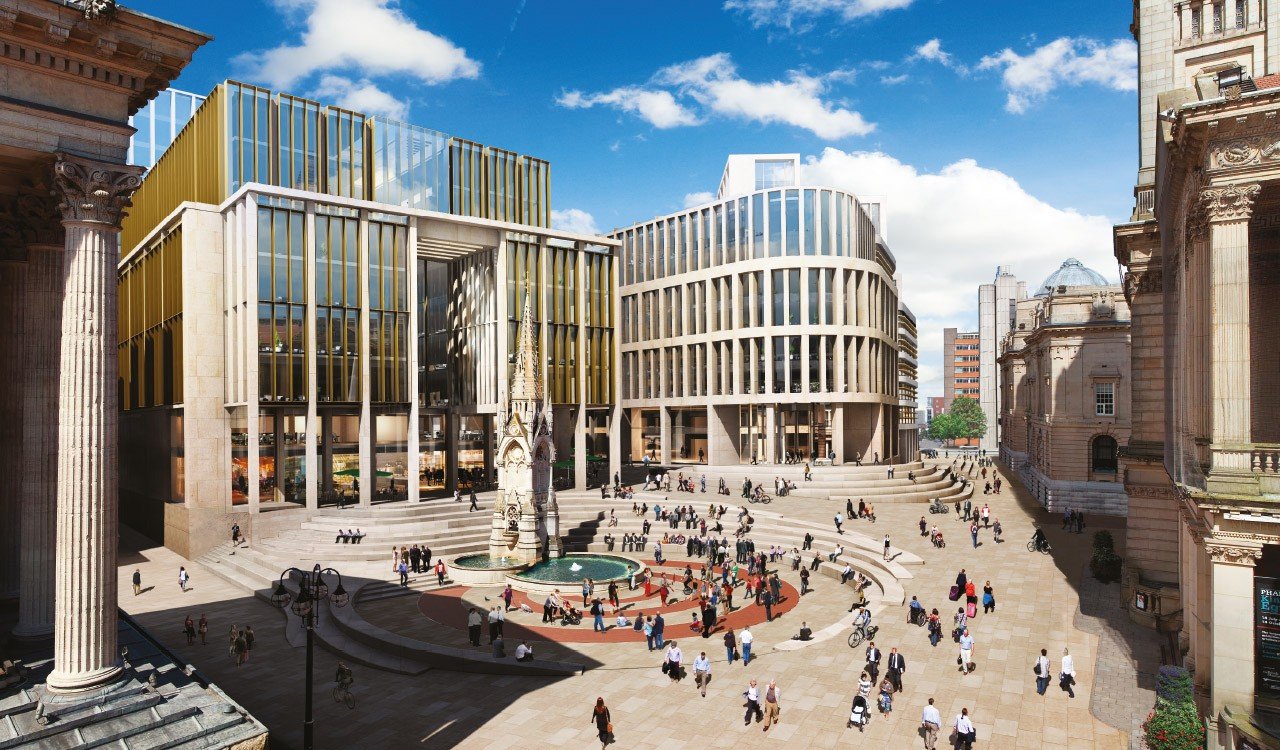
Birmingham has emerged as one of the UK’s most attractive cities for property investors, thanks to its ambitious regeneration initiatives and sustained economic development. Birmingham Property Investment continues to gain momentum as buyers recognise the city’s strong growth potential, competitive property prices and expanding rental market. Across the city, major regeneration projects are transforming former industrial sites into vibrant residential and commercial communities, creating new opportunities for homeowners, businesses and investors alike. These long-term developments are helping to drive property values, strengthen rental demand and cement Birmingham’s position as one of the country’s leading property hotspots.
Birmingham’s Remarkable Transformation
Over the past two decades, Birmingham has undergone a significant transformation. Once recognised primarily for its industrial heritage, the city has reinvented itself as a thriving centre for finance, technology, education, retail and professional services.
Substantial investment from both the public and private sectors has delivered modern office developments, new residential neighbourhoods, improved public spaces and upgraded transport infrastructure. These improvements have enhanced the city’s appeal to businesses, students, professionals and families.
As Birmingham continues to evolve, regeneration remains one of the key factors supporting long-term growth in the property market.
Why Regeneration Matters to Property Investors
Regeneration has a direct impact on local property markets.
When investment is directed towards infrastructure, housing, commercial developments and public amenities, neighbourhoods become increasingly desirable. Improved transport links, enhanced public spaces and better local facilities attract new residents and businesses, increasing demand for housing.
As demand grows, both rental values and property prices often strengthen. Investors who purchase property in areas undergoing regeneration may benefit from long-term capital appreciation while enjoying stable rental income.
Although market conditions can fluctuate, regeneration often provides a solid foundation for sustainable property growth.
Smithfield Birmingham: A Landmark Development
One of Birmingham’s most ambitious regeneration projects is Smithfield.
Situated close to the city centre, this large-scale redevelopment is transforming a former market site into a mixed-use destination featuring thousands of new homes, office space, leisure facilities, retail outlets and public parks.
The project aims to create a vibrant urban neighbourhood that combines residential living with employment opportunities and entertainment.
For property investors, developments of this scale typically generate increased demand for housing as new businesses and residents move into the area.
Paradise Birmingham Continues to Boost the City Centre
Paradise Birmingham has become one of the city’s flagship regeneration schemes.
This mixed-use development has delivered premium office buildings, restaurants, cafés, hotels and attractive public spaces in the heart of Birmingham.
Major employers relocating to Paradise have created new employment opportunities, bringing more professionals into the city centre. As a result, demand for nearby residential accommodation has continued to increase.
The project’s success demonstrates how commercial regeneration can positively influence surrounding residential property markets.
Eastside Regeneration and Innovation
Eastside has become another major focus for regeneration.
The area has experienced substantial investment in residential developments, educational facilities and commercial space. It is also home to Birmingham City University, which has contributed significantly to the area’s growing popularity.
Eastside’s continued development is attracting students, graduates and professionals who value its proximity to the city centre and excellent transport connections.
For landlords, this diverse tenant base provides consistent rental demand throughout the year.
Transport Improvements Supporting Growth
Infrastructure investment plays a vital role in Birmingham’s regeneration strategy.
The city benefits from ongoing improvements to public transport, road networks and rail services. Enhanced connectivity makes Birmingham increasingly attractive for commuters, businesses and residents alike.
Improved accessibility encourages employers to establish offices within the city while allowing residents to travel more efficiently throughout the West Midlands.
Neighbourhoods benefiting from transport investment often experience rising demand as they become more convenient places to live.
The Impact of a Growing Economy
Birmingham’s expanding economy continues to support its property market.
The city has developed into a leading centre for industries including:
- Financial services
- Technology
- Manufacturing
- Professional services
- Healthcare
- Higher education
As businesses continue investing in Birmingham, employment opportunities increase across multiple sectors.
This steady job creation attracts professionals from across the UK, many of whom initially enter the rental market before purchasing their own homes.
A strong local economy provides confidence for investors seeking stable, long-term returns.
Population Growth Increases Housing Demand
Birmingham remains one of the fastest-growing cities in the country.
A growing population naturally increases demand for housing across both the rental and owner-occupied sectors. Graduates choosing to remain after university, professionals relocating for work and families seeking affordable housing all contribute to sustained demand.
Despite ongoing residential construction, housing supply continues to face pressure from population growth.
This imbalance between supply and demand helps support both rental prices and long-term property values.
Opportunities for Buy-to-Let Investors
Regeneration has created a wide range of opportunities for landlords across Birmingham.
Modern apartments close to employment centres remain particularly attractive to young professionals, while family homes in well-connected suburbs continue to perform strongly among long-term tenants.
Properties located within regenerated neighbourhoods often benefit from:
- Strong tenant demand
- Lower vacancy rates
- Competitive rental income
- Improved resale potential
- Long-term capital growth
Investors who prioritise quality locations and well-maintained properties are well positioned to benefit from Birmingham’s continued development.
Sustainable Regeneration Creates Lasting Communities
Modern regeneration focuses on creating communities rather than simply building new homes.
Many developments now include landscaped parks, pedestrian-friendly streets, schools, healthcare facilities, retail centres and leisure amenities alongside residential housing.
These features improve quality of life while encouraging long-term occupancy.
Sustainable neighbourhoods also appeal to a broader range of residents, supporting stable housing demand and strengthening property values over time.
Factors Investors Should Consider
Although Birmingham offers considerable opportunities, investors should carry out thorough research before purchasing.
Important considerations include:
- Future regeneration plans
- Local employment growth
- Transport accessibility
- School catchment areas
- Service charges for leasehold developments
- Rental demand within individual neighbourhoods
- Long-term maintenance costs
Property investment should always be viewed as a long-term strategy, particularly within regeneration areas where improvements may take several years to reach full maturity.
Professional advice and local market knowledge can help investors make well-informed decisions.
Looking Ahead
Birmingham’s regeneration journey continues to gather momentum.
Several large-scale developments remain under construction or are progressing through planning stages, promising additional homes, commercial opportunities and public infrastructure improvements over the coming years.
Combined with economic expansion, population growth and continued business investment, these projects provide strong foundations for the city’s future property market.
Although national economic conditions may influence short-term activity, Birmingham’s long-term outlook remains highly positive.
Conclusion
Birmingham’s extensive regeneration programmes have transformed the city into one of the UK’s most exciting property investment destinations. Projects such as Smithfield, Paradise Birmingham and Eastside have revitalised neighbourhoods, attracted businesses and created thriving communities that continue to drive housing demand.
For investors, regeneration offers opportunities to benefit from rising property values, consistent rental demand and long-term capital appreciation. Success depends on selecting the right location, understanding local market trends and taking a patient approach to investment.
As Birmingham continues to grow and evolve, regeneration will remain one of the most significant forces shaping its property market, making the city an attractive choice for those seeking sustainable property investment opportunities.
