


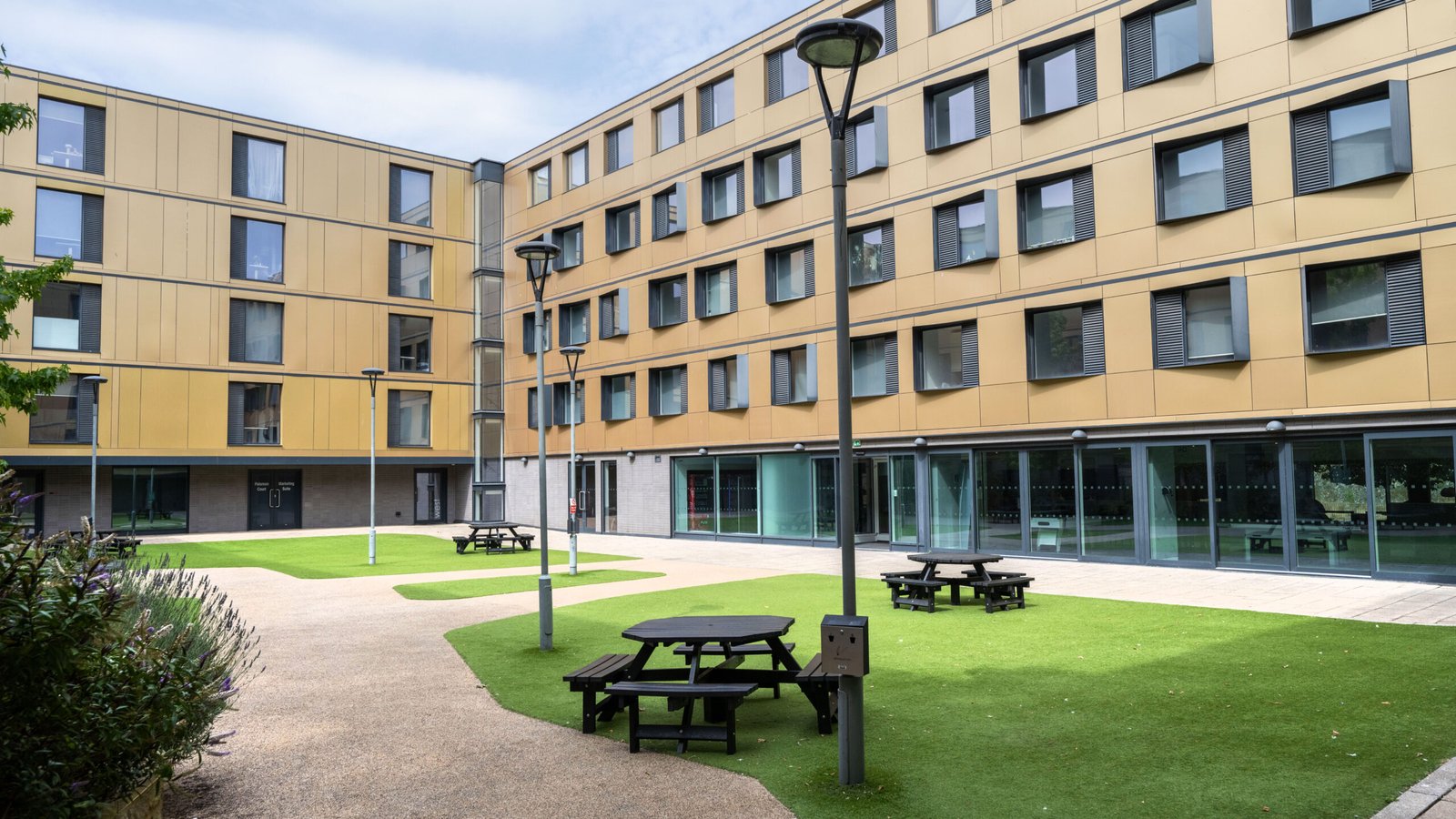
Canterbury has long been an attractive place to live, but its universities have added another important dimension to the local property market. With thousands of students choosing the city each year, demand for rented accommodation remains a significant part of the housing landscape. For landlords and tenants alike, working with experienced Canterbury letting agents can help make sense of the opportunities and challenges created by this strong student presence.
A City Shaped by Its Universities
Canterbury is home to several higher education institutions, including the University of Kent, Canterbury Christ Church University and the University for the Creative Arts. Together, they attract students from across the UK and overseas, creating a steady flow of people looking for somewhere to live.
This has a noticeable effect on the rental market. Students typically require accommodation for an academic year, while some choose to remain in the city throughout the summer or continue renting while completing further studies. The result is a sizeable and recurring tenant population.
For landlords, this can make student accommodation an attractive part of the rental market. For the wider city, it contributes to demand for different types of property, from rooms in shared houses to purpose-built student accommodation and conventional flats.
Strong Demand for Shared Homes
One of the clearest impacts of the student population is demand for houses suitable for sharing. Groups of students often look for properties with several bedrooms, communal living areas and convenient access to their university or transport links.
Traditional terraced houses can therefore be particularly appealing. Properties within walking distance of university campuses, the city centre or local amenities may attract considerable interest when the student rental cycle begins.
Location is not the only consideration, however. Students are increasingly conscious of the quality of their accommodation. A property with a modern kitchen, reliable heating, good broadband and a comfortable communal space can stand out from less well-maintained alternatives.
For landlords, maintaining a property to a good standard is therefore important. A strong reputation among previous tenants can also help when marketing the property for another academic year.
The Importance of Location
Students often prioritise convenience. Being close to lectures, shops, cafés, supermarkets and social venues can make a property more attractive, particularly for those without access to a car.
Different university campuses influence rental demand in different parts of Canterbury. Areas with straightforward walking, cycling or bus connections can benefit from their proximity to educational facilities.
This does not necessarily mean that properties immediately next to a campus are the only worthwhile investments. Well-connected neighbourhoods slightly further away can also appeal to tenants, particularly where rents may be more competitive or properties offer greater space.
For landlords considering student lets, understanding how tenants view different locations can be just as important as understanding property values.
Student Demand and the Wider Rental Market
The influence of universities extends beyond properties specifically marketed to students. A large student population can contribute to overall rental demand across the city.
Students occupy homes that might otherwise be rented by young professionals or other households. This means landlords need to consider the balance between different tenant groups when deciding how to market a property.
At the same time, not every student wants a shared house. Some prefer studios or one-bedroom flats, particularly postgraduate students, international students or those seeking greater independence.
This creates opportunities across several parts of the rental market. A landlord with a smaller flat may find that student demand provides another potential tenant audience, provided the property and location meet their expectations.
The Changing Expectations of Students
The modern student tenant is often looking for more than four walls and a bedroom. While affordability remains important, expectations around comfort and convenience have evolved.
Fast internet is increasingly essential, particularly for students who study from home. Furnished accommodation can also be attractive because it reduces the cost and inconvenience of moving. Energy efficiency may become another consideration as tenants become more conscious of household bills.
Safety and security are equally important. Good locks, well-maintained communal areas, suitable lighting and clear arrangements for reporting repairs can all contribute to a positive renting experience.
Landlords who recognise these expectations may find it easier to attract and retain suitable tenants.
Seasonal Patterns in Canterbury
The student rental market tends to follow an annual cycle. Demand often increases well before the start of the academic year, as students begin searching for accommodation and groups organise their next house share.
This seasonality can create both opportunities and challenges for landlords. Properties need to be marketed at the right time, while viewings and applications may need to be handled efficiently during busy periods.
There can also be a quieter period between academic years. Landlords should consider this when calculating potential rental income and planning maintenance.
Understanding the student calendar can therefore help property owners make better decisions about advertising, tenancy dates and refurbishment work.
Benefits for Local Landlords
A large and established student population can provide landlords with a consistent source of potential tenants. Properties that are well suited to student living may generate strong interest, particularly when they are competitively priced and conveniently located.
There is also the possibility of establishing longer-term relationships with tenants. A student who enjoys their accommodation may recommend it to friends or return for another year, reducing the effort required to find new occupants.
However, student lets can require more active management than some other types of tenancy. Shared accommodation may experience greater wear and tear, and landlords need to understand their legal responsibilities, licensing requirements and safety obligations.
Professional management can be particularly useful for landlords who do not live locally or do not have the time to deal with day-to-day tenancy matters.
What It Means for Tenants
For renters, the university presence means there is a broad range of accommodation available, but competition can be strong at certain times of year.
Students should start searching early, establish a realistic budget and consider all the costs associated with renting. These can include deposits, utilities, transport and other household expenses.
It is also worth looking beyond the first property that becomes available. Checking the condition of the home, understanding the tenancy agreement and asking how maintenance issues are handled can prevent problems later.
Looking Ahead
Canterbury’s universities are likely to remain an important influence on the city’s rental market. As student numbers, housing preferences and the wider economy change, landlords and tenants will need to adapt.
For property owners, the strongest opportunities are likely to come from understanding what today’s tenants actually want rather than simply assuming that student demand guarantees success. Well-located, well-maintained and appropriately managed properties are more likely to perform strongly.
For renters, preparation is equally valuable. Knowing where to look, what to budget for and which questions to ask can make the search considerably easier.
Ultimately, the relationship between Canterbury’s universities and its rental market is a two-way one. The institutions bring students, investment and economic activity to the city, while the rental market provides the homes needed to support that community. Together, they form an important part of Canterbury’s distinctive property landscape.
