


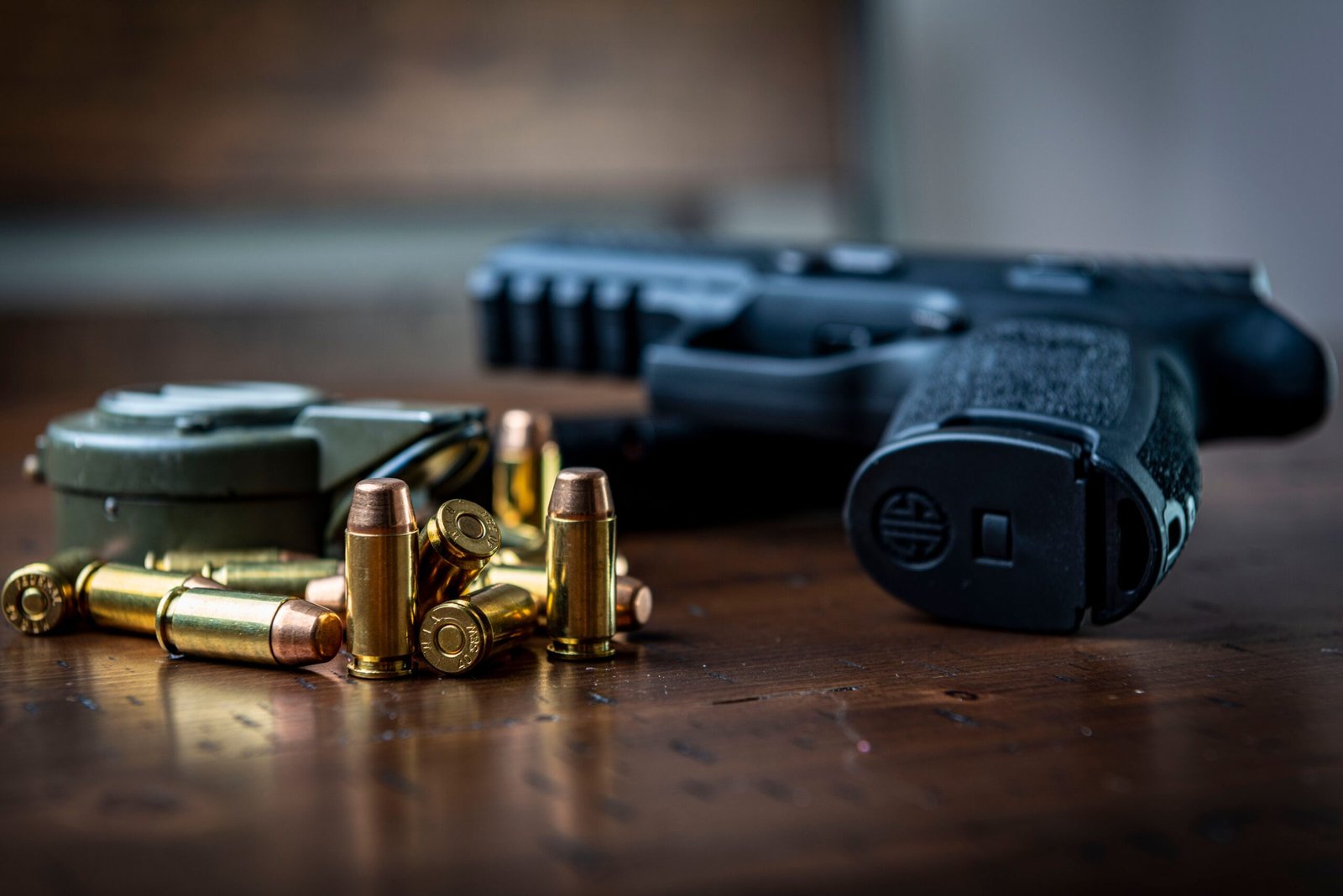
Earning a carry permit marks the beginning of an ongoing obligation to public safety and self-discipline. Possessing a permit confirms that a person has cleared necessary administrative checks, yet actual safety relies entirely on daily habits. Consistent physical mechanics, situational awareness, and proper storage habits prevent negligent discharges and lower risks during carry.
Here are the critical safe handling fundamentals every licensed owner must build into daily practice.
1. Mastering Core Muzzle Discipline
Muzzle direction forms the absolute baseline of range and home safety. Controlling the orientation of the barrel prevents injuries if an unintended mechanical failure or human lapse occurs.
Understanding the Safe Direction Concept
A safe direction means pointing the barrel where an accidental discharge cannot strike anyone or cause dangerous ricochets. Outdoors, pointing down toward solid earth serves as a reliable direction. Inside residential spaces, exterior concrete walls or heavy floor structures offer protection, while interior drywall partitions remain vulnerable to bullet penetration.
Managing Awareness During Transitions
Accidents often happen when individuals move between locations, adjust clothing, or transfer equipment. Licensed owners must stay focused when retrieving weapons from holsters or placing them into safes. Sweeping any part of your body with the muzzle, even for a split second, violates core safety rules and increases injury risks.
2. Trigger Guard Integrity and Finger Placement
Human physical reflexes present a risk during high-stress scenarios. Keeping your index finger outside the guard frame prevents accidental firing during sudden loss of balance or startle responses.
Training the Index Position
Your index finger must rest straight along the metal frame above the guard until your sights align on a target. This resting position must become automatic muscle memory. Practicing dry-fire mechanics at home helps reinforce this finger placement so it occurs naturally without deliberate conscious thought.
Avoiding Sympathetic Physical Muscle Movements
When human hands grip something tightly with one fist, the opposite hand often closes automatically due to sympathetic muscle contractions. Stumbling or losing balance can trigger an involuntary physical clench. Keeping your finger high along the frame prevents involuntary trigger pulls during balance shifts or unexpected physical contacts.
3. Clearing and Inspection Procedures
Assuming any weapon is unloaded leads directly to serious handling errors. Every device must be physically and visually verified whenever it passes between hands or comes out of storage.
Performing Two-Step Physical Checks
Relying solely on visual checks leaves room for error, especially in dim lighting. Remove the ammunition source first, rack the slide back multiple times, and lock it open. Look directly into the open chamber and insertion well, then insert a finger into the chamber to feel for any remaining casing or live round. Completing a live training course, such as a concealed carry class in Jacksonville, Fl, offers hands-on instruction to master these inspection sequences.
Unloading Equipment Safely at Home
Unloading procedures demand quiet environments without distraction. Turn off televisions, put away mobile devices, and isolate yourself from family members or pets while unholstering equipment. Establishing a quiet cleaning workstation minimizes mental distractions that lead to missed safety steps.
4. Holster Mechanics and Equipment Selection
A holster serves as a safety enclosure designed to shield the trigger mechanism from contact with hands, clothing drawstrings, or foreign objects.
Selecting Rigid Protective Materials
Flimsy leather or flexible cloth holsters can fold over time, entering the guard space during re-holstering movements. Choose rigid materials that maintain shape without collapsing. A quality holster completely encloses the trigger area to prevent objects from contacting the firing mechanism.
Practicing Careful Re-Holstering Techniques
Never rush when placing a weapon back into a holster. Look down directly at the holster mouth to confirm clothing, jacket hems, or drawstrings are clear of the opening. Slide the device back into place slowly using smooth pressure without forcing anything past resistance.
5. Secure Maintenance and Cleaning Protocols
Routine maintenance keeps equipment functional, yet cleaning sessions require strict adherence to safety steps before any tools touch the device.
Removing Live Ammunition from Workspaces
Before gathering cleaning solvents or field-stripping parts, move all live ammunition out of the room completely. Storing live rounds in another room creates a physical barrier that prevents accidental reloading during routine maintenance sessions.
Maintaining Equipment Integrity
Inspect internal components for cracks, debris, or excessive wear during cleaning. Ensure mechanisms operate smoothly, minimizing mechanical hangups that cause handling difficulties during active use.
