


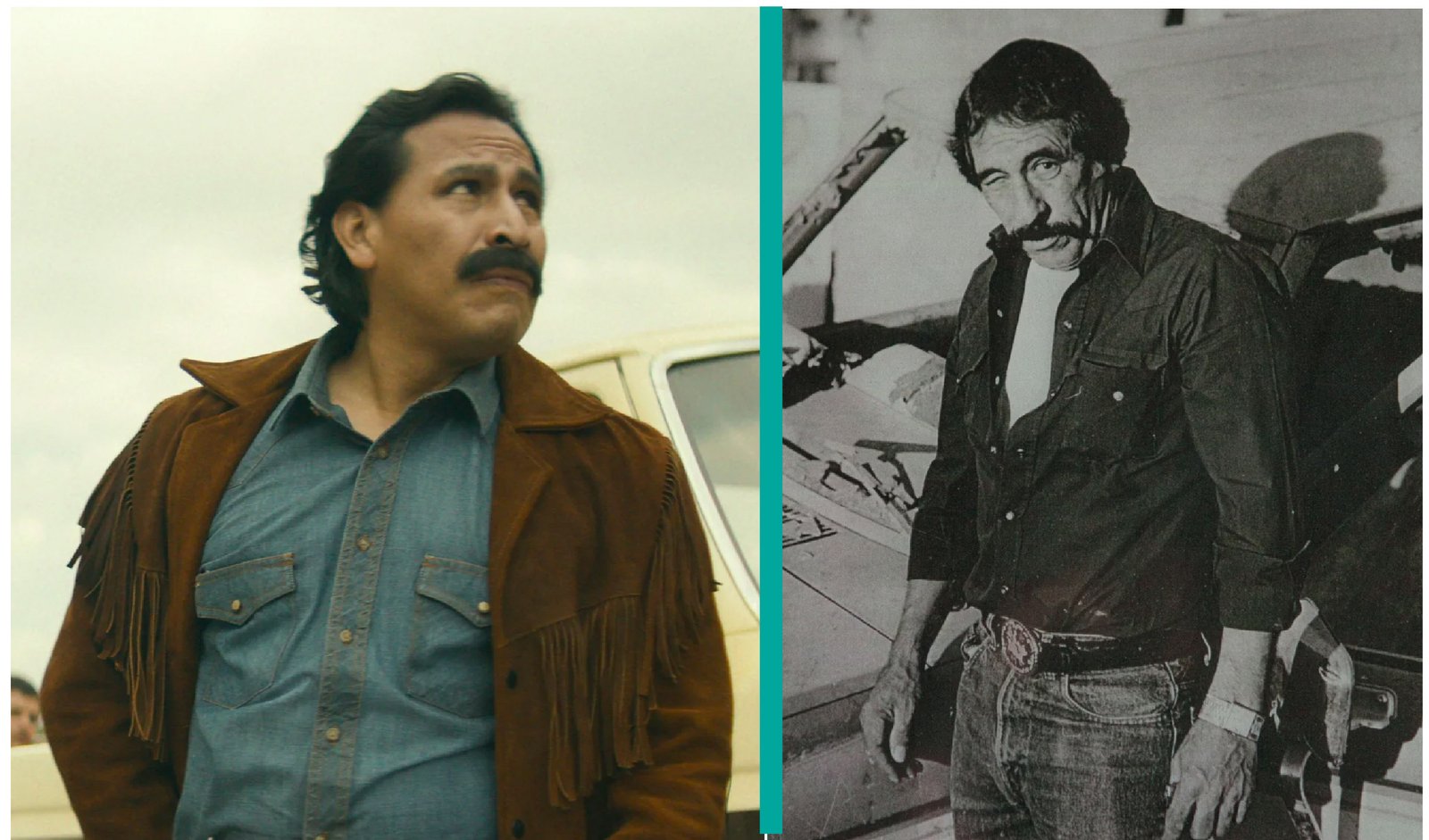
Pablo Acosta Villarreal, better known as El Zorro de Ojinaga, was a ruthless Mexican narcotics kingpin who dominated the U.S.-Mexico border’s drug trade in the 1980s. His operations smuggled tons of cocaine, heroin, and marijuana across the border, establishing his reign in the underworld. Acosta’s life unfolded in the dusty town of Ojinaga, Chihuahua, and his journey through violence, power, and betrayal is still remembered today.
In this article, you will discover everything about Pablo Acosta that most people never knew.
Profile Summary: Pablo Acosta
| Full Name | Pablo Acosta Villarreal |
|---|---|
| Nickname | El Zorro de Ojinaga |
| Birth Year | 1946 |
| Nationality | Mexican |
| Career | Drug Lord, Narcotics Smuggler |
| Known For | Smuggling cocaine, heroin, marijuana |
| Death | April 24, 1987, shootout with police |
| Successor | Rafael Aguilar Guajardo |
| Achievements | Led Juarez Cartel, 60 tons of cocaine annually at peak |
| Net Worth | Not available (Assets seized) |
Early Life of Pablo Acosta Villarreal
Born in 1946 in Chihuahua, Mexico, Pablo Acosta’s early life was marked by poverty and the harsh realities of the Mexican border. Growing up in the turbulent environment of the U.S.-Mexico borderlands, Acosta’s future would be shaped by the area’s notoriety for smuggling and drug trade. His rise to infamy began modestly, with small-time trafficking operations before he strategically expanded his criminal network. His ties to the land and culture around Ojinaga played a significant role in shaping his career as a narcotics smuggler.
The Rise of Pablo Acosta Villarreal in the Drug Trade
Pablo Acosta’s entrance into the world of narcotics began with his involvement in marijuana and heroin trafficking in the early 1970s. He capitalized on the proximity of Ojinaga to Texas, using this location as a strategic advantage for smuggling goods into the U.S. By the early 1980s, Acosta had expanded his operations significantly, adding cocaine to his portfolio. His ability to control a vast network of smuggling routes earned him the title of a major player in the Juarez Cartel. With this power, Acosta established a near-total monopoly over the narcotics trade in the region.
Leadership in the Juarez Cartel
Acosta was not only a smuggler but also a skilled leader. Under his reign, the Juarez Cartel flourished, and his operations smuggled 60 tons of cocaine annually—a staggering amount that solidified his place among Mexico’s most powerful criminals. Acosta was known for his shrewd alliances, especially with Amado Carrillo Fuentes, a young but talented trafficker who would later become the infamous Lord of the Skies. His ability to outwit rivals, maintain control over law enforcement, and keep his empire intact allowed him to thrive in a cutthroat business.
The Operations and Network of Pablo Acosta
Pablo Acosta’s empire spanned the U.S.-Mexico border, with intricate networks set up to smuggle illicit substances into the United States. He employed turboprop aircraft to fly cocaine from Colombia to Ojinaga, where it was then transported into the U.S. by a network of trusted partners. His ability to move large amounts of narcotics undetected by both U.S. and Mexican authorities was a testament to his operational expertise. His cartel was highly organized, with various tiers of smuggling operations, from small-time couriers to well-paid enforcers.
Pablo Acosta Villarreal’s Personal Life and Public Image
While Pablo Acosta was notorious for his criminal deeds, he also maintained a public persona in Ojinaga. Despite his violent profession, Acosta was known to be a benefactor to some locals, helping fund community projects and providing economic support. This contrast between his criminal empire and his contributions to the community gave him a dual identity: that of a feared drug lord and a local benefactor. However, his personal life remains largely unknown, with little available information about his family and relationships.
The Downfall of Pablo Acosta Villarreal
After years of ruling the narcotics trade, Acosta’s empire began to crumble. In 1987, during a coordinated operation between Mexican Federal Police and the FBI, Acosta was killed in a shootout in Palomas, Chihuahua. His death marked the end of an era for the Juarez Cartel and the beginning of a violent power struggle in the region. Rafael Aguilar Guajardo took over his position but was soon overshadowed by the rise of Amado Carrillo Fuentes, who would ultimately dominate the cartel world.
Pablo Acosta Villarreal’s Impact on the Mexican Drug Trade
Pablo Acosta’s rise to power helped lay the foundation for the modern Mexican drug trade. By refining the techniques of cocaine trafficking, Acosta helped the Juarez Cartel become a key player in the international drug trade. His methods influenced future generations of cartel leaders, including Amado Carrillo Fuentes and the Sinaloa Cartel. Acosta’s impact on both the U.S.-Mexico border’s drug trade and the cartel world is still felt today, with many of his tactics being adopted by criminal organizations across the globe.
Pablo Acosta in Pop Culture
Acosta’s life has inspired numerous songs and media portrayals. One of the most notable is the norteño ballad “El Zorro de Ojinaga” by Los Tigres del Norte, which recounts his exploits. His story also found its way into the popular TV series Narcos: Mexico, which brought his criminal career and dramatic downfall to a global audience. Through these portrayals, Acosta’s legacy continues to influence how the world views the history of Mexican drug lords and the broader narcotics trade.
The Portrayal of Pablo Acosta in Narcos: Mexico
In Narcos: Mexico, Pablo Acosta’s character was brought to life by the creators, offering a nuanced view of his rise and fall. The series captures his cunning in the drug trade and his complicated relationship with both allies and enemies. While some aspects of his life are dramatized for entertainment, the show provides a glimpse into the Juarez Cartel’s operations, with Acosta at the helm during its most prosperous period.
Conclusion
Pablo Acosta Villarreal’s life paints a tragic portrait of a man caught between ambition and the law. While he left a trail of violence and corruption in his wake, his mentorship of Amado Carrillo Fuentes and his impact on the drug trade in Mexico are undeniable. Acosta’s legacy, reflected in both the Juarez Cartel’s dominance and his cultural representation, remains etched in history as a testament to the complexities of the drug war.
FAQs About Pablo Acosta
Who was Pablo Acosta Villarreal?
Pablo Acosta Villarreal, also known as El Zorro de Ojinaga, was a Mexican drug lord who led the Juarez Cartel in the 1980s, smuggling cocaine, heroin, and marijuana.
What was Pablo Acosta’s role in the Juarez Cartel?
Acosta was a key leader in the Juarez Cartel, overseeing the smuggling of 60 tons of cocaine per year and mentoring Amado Carrillo Fuentes.
How did Pablo Acosta die?
He was killed in a shootout with Mexican Federal Police on April 24, 1987, during an operation in Palomas, Chihuahua.
What impact did Pablo Acosta have on the Mexican narcotics trade?
Acosta helped establish the Juarez Cartel as a powerful force, influencing drug trafficking operations across the U.S.-Mexico border.
Was Pablo Acosta involved in cocaine trafficking?
Yes, he played a major role in cocaine trafficking, smuggling tons of it into the United States during the 1980s.
How did Pablo Acosta’s legacy live on in popular culture?
Acosta’s legacy lives on through songs like “El Zorro de Ojinaga” and through his portrayal in Narcos: Mexico, which brought his story to a wider audience.
What is the connection between Pablo Acosta and Narcos: Mexico?
Acosta’s life is depicted in Narcos: Mexico, where his rise in the Juarez Cartel and eventual downfall are dramatized.
Who succeeded Pablo Acosta in the Juarez Cartel?
After his death, Rafael Aguilar Guajardo succeeded Acosta as the leader of the Juarez Cartel.
More from Viralfeed: María Elvira Murillo: A Journey Through Love, Family, And Privacy
