


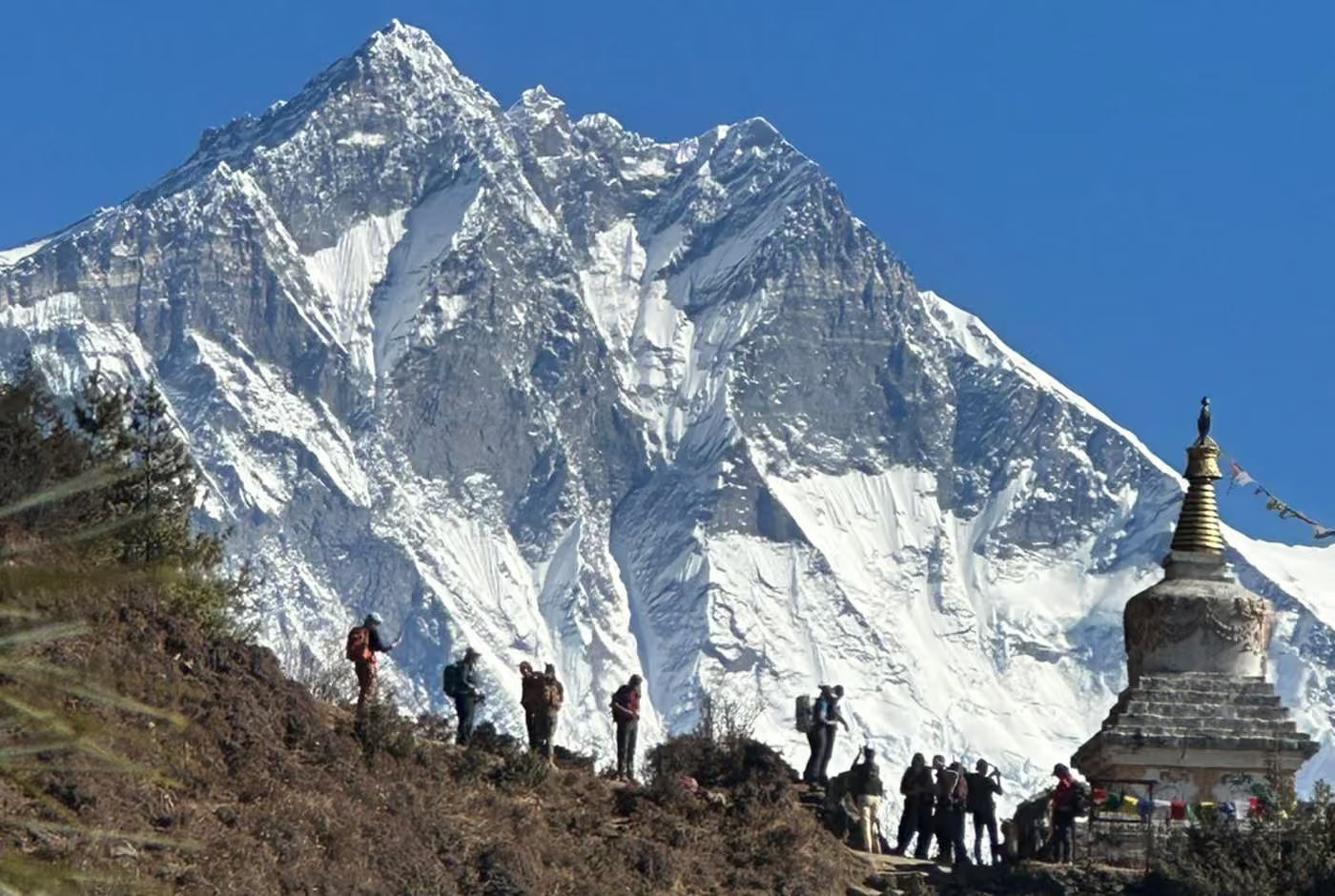
When You Want the Himalayas Without a Long Trek
Not everyone has three weeks to spare. That’s the honest starting point for most people planning a Nepal trip these days — you want Everest, or you want Annapurna, but your job, your family, or your budget won’t stretch to a full classic itinerary. The good news is that you don’t have to choose between “go big” and “don’t go at all.” An Everest Base Camp short trek can get you into the Khumbu and back in under two weeks. An Everest Base Camp heli return trek trims that further by flying you out instead of walking the whole way down. And a Short Annapurna base camp trek offers a different kind of compressed adventure, moving through forest and village scenery at a quicker pace.
These three options aren’t interchangeable, though, and picking the wrong one for your fitness level or your tolerance for altitude can turn a dream trip into a miserable one. The right choice comes down to how many days you actually have, how your body handles elevation, what you’re willing to spend, and whether you see the trek itself — the walking, the tea houses, the slow unfolding of the mountains — as part of the point, or just a means to a photo at the end. A shorter itinerary is not automatically an easier one, and that’s worth sitting with before you book anything. Here’s how these three routes actually compare.
Three Short Himalayan Trek Options at a Glance
| Option | Main appeal | Typical experience | Physical demand | Best for |
| Everest Base Camp short trek | Everest-region experience in fewer days | Mountain villages, Sherpa culture, dramatic peaks | Moderate to challenging | Travelers with limited time who still want to walk |
| Everest Base Camp heli return trek | Trek in + helicopter return | Trekking combined with aerial Himalayan views | Moderate, depending on itinerary | Travelers wanting to cut down walking days |
| Short Annapurna base camp trek | Fast access to the Annapurna Sanctuary | Villages, forests, mountain scenery | Moderate | Travelers wanting a shorter classic Himalayan trek |
None of these is objectively “the best.” They solve different problems, and the table above is really just a starting point before you dig into what each one actually asks of you.
Everest Base Camp Short Trek: What You Actually Get
Shortening the classic Everest route isn’t just a matter of cutting a few rest days from the calendar. The flight into Lukla still eats up half a day, acclimatization still has to happen somewhere, and the trail itself hasn’t gotten any shorter — you’re just covering more of it per day. A well-planned Everest Base Camp short trek compresses the schedule by combining stages that a standard itinerary would spread out, which means longer walking days and a tighter margin if the weather turns or your body needs an extra day to adjust.
What you don’t lose, though, is the actual experience. You still pass through Namche Bazaar, still walk beneath monastery prayer flags in Tengboche, still cross the same suspension bridges over the Dudh Koshi, and still stand at Everest Base Camp with the Khumbu Icefall in front of you. “Short” here refers to duration, not to how much of the Everest trekking itinerary gets cut out.
This route tends to suit people who already have some trekking mileage behind them — not necessarily Himalayan experience, but a reasonable base of fitness and an understanding of what multi-day walking at altitude feels like. It’s a good fit if your annual leave is the limiting factor and Everest, specifically, is non-negotiable.
The Main Trade-Off
Compressing the days means longer stages, less built-in flexibility, and a real dependence on getting your acclimatization right the first time. If a storm delays a flight or fatigue catches up with you, there’s less slack in the schedule to absorb it. This isn’t a reason to avoid the short version — plenty of people do it comfortably — but it’s a reason to be honest with yourself about your fitness before you sign up.
Everest Base Camp Heli Return Trek: Trek In, Fly Out
The basic idea is simple enough: you fly into the region and trek in the normal way, gaining altitude gradually toward your goal, but instead of retracing the entire trail back down to Lukla on foot, you take a helicopter out. Exact itineraries vary quite a bit depending on weather windows, flight availability, and how your acclimatization schedule is structured, so no two Everest Base Camp heli return trek itineraries look identical.
The appeal is mostly about time and novelty. Skipping the return walk can save several days compared with a conventional out-and-back itinerary, which matters a lot if your schedule is genuinely tight. There’s also the simple fact that seeing the Himalayas from the air — after having walked through them on the ground — gives you a completely different sense of scale. And practically speaking, it means you’re not walking the same lower stretches of trail twice, which some trekkers find tedious the second time around.
This is the part that gets glossed over in a lot of marketing, so it’s worth being direct about it. A helicopter return does nothing to change how your body handles the ascent — you still gain altitude the same way everyone else does, and you still need to acclimatize properly before you get anywhere near Base Camp. Weather is also not optional here; helicopters in the Khumbu are grounded by cloud and wind more often than people expect, and if that happens on your scheduled day, plans shift. On top of that, an Everest Base Camp heli return trek typically costs noticeably more than a standard trek, since you’re paying for a private or shared charter on top of the usual trekking costs. A shorter overall trip on paper still needs the same sensible approach to altitude that any Everest itinerary does.
Short Annapurna Base Camp Trek: A Different Kind of Short Trek
Annapurna lends itself to a compressed schedule in a way Everest doesn’t, mostly because of geography. Road access into the trailhead areas cuts out a chunk of walking that would otherwise be necessary, and the trail itself moves through changing terrain at a quicker pace than the Khumbu does. A Short Annapurna base camp trek can realistically fit into about a week for someone reasonably fit, without feeling rushed in the way a compressed Everest itinerary sometimes does.
The contrast with Everest is really in the scenery. Where the Khumbu is dominated by high, stark ridgelines fairly early on, the Annapurna route spends more time moving through forest, terraced farmland, and villages belonging to different ethnic communities before the terrain opens up into the Sanctuary itself. That final stretch — where the trail narrows and the mountains close in around you on almost every side — is genuinely one of the more dramatic moments in Nepal trekking, and it arrives faster on this route than the equivalent moment does on Everest.
If your time is limited but you’d rather not commit to the logistics and altitude demands of even a short Everest itinerary, this route is worth serious consideration. It also suits people who want lower-altitude scenery to be part of the trip, not just a backdrop on the way to something else, and who are looking for a balance between walking and mountain views rather than a single-minded push toward one destination.
Everest vs Annapurna: Which Short Trek Fits Your Trip?
There’s no universal winner here, so it helps to think about it in terms of what you actually want out of the days you have.
Choose a short Everest trek if Everest itself is the reason you’re coming to Nepal, if the Sherpa villages and monasteries of the Khumbu region appeal to you specifically, or if reaching Base Camp matters more to you than variety in the landscape.
Choose the heli-return version if you want the Everest experience but your available days are especially tight, if the idea of combining trekking with a scenic flight genuinely excites you, and if your budget has room for that added convenience.
Choose the short Annapurna Base Camp trek if you’d rather see a wider range of scenery in a shorter overall trip, if you’re drawn to a different mountain environment than Everest’s, or if your priority is simply a shorter classic Himalayan adventure rather than one specific summit-style goal.
Difficulty, Altitude and Acclimatization: The Part You Should Not Rush
Why Short Does Not Mean Easy
High altitude remains the single biggest factor on any Everest route, short or long, and no amount of gym training fully immunizes you against it. In fact, a shorter itinerary often means longer walking days, which adds fatigue on top of the altitude challenge rather than reducing it.
Acclimatization Matters
Gaining elevation gradually, building in rest days where the itinerary allows, drinking enough water, pacing yourself instead of racing other trekkers on the trail, and actually listening to your guide when something feels off — these basics matter more than how many total days your trip runs. Altitude sickness doesn’t care how fit you are; it cares how quickly you’ve gained height and how your particular body is responding that week.
Annapurna vs Everest Altitude
Everest itineraries keep you at high altitude for a substantial portion of the trip, given how high Base Camp itself sits. Annapurna Base Camp also reaches a serious elevation, but the ascent profile is different, with more time spent lower down before the final push. Either way, the itinerary should be built around safe acclimatization first and the fewest possible days second — not the other way around.
Best Time for These Short Himalayan Treks
Spring brings generally stable trekking conditions across much of Nepal, rhododendron blooms in the lower and mid-altitude forests, and decent mountain visibility on many days, though not every single day. Autumn is the season most trekkers associate with clear mountain views and comfortable daytime temperatures, but it’s also the busiest stretch on both the Everest and Annapurna trekking itinerary calendars, so booking ahead helps. Winter brings real cold and snow at higher elevations, which can affect both trail conditions and flight schedules, while the monsoon months bring rain, cloud cover, and muddier trails that can complicate some approaches, particularly flight-dependent ones like Lukla.
Accommodation, Food and Daily Trekking Experience
Tea houses and small lodges are the standard here, not hotels — expect simple rooms, shared bathrooms in many places, and a menu built around dal bhat, noodle soups, fried rice, and basic pasta dishes that keep trekkers fueled through long days. Eating enough, even when appetite drops at altitude, genuinely affects how you feel on the trail the next morning. Electricity for charging devices and internet access both exist at most stops but get less reliable and more expensive the higher and more remote you go.
Permits, Transport and Trek Planning
Exact requirements shift depending on the specific route and current regulations, so it’s worth confirming trekking permits and applicable conservation or national park fees close to your departure date rather than relying on old information. Getting into and out of the trailhead areas involves either domestic flights or road transport depending on which itinerary you’ve chosen, and for heli-return trips specifically, remember that flight operations are always subject to weather and can shift at short notice.
What to Pack for a Short Trek
Layered clothing, a solid waterproof outer shell, broken-in trekking boots, a sleeping bag rated for the season you’re traveling in, sun protection including good sunglasses and sunscreen, a reliable water bottle or hydration system, any personal medications alongside basic first-aid items, a headlamp with spare batteries, a power bank, and your passport and permits. Packing light becomes especially valuable once you’re facing longer walking days on a compressed itinerary — every extra kilogram matters more than it would on a leisurely three-week trip.
Cost: What Changes the Price?
For the standard Everest Base Camp short trek, cost is driven mainly by domestic flights, guide and porter fees, accommodation and meals along the trail, permits, and simply how many days the itinerary runs. The heli-return version adds the helicopter charter on top of all that, which is why it tends to sit well above a standard walking-only trek in overall price. For the Annapurna route, transportation to and from the trailhead, trek duration, guide and porter arrangements, lodge costs, and permit fees all factor into the final number — so anyone comparing Everest Base Camp trek cost against Annapurna Base Camp trek cost should really be comparing full itineraries rather than headline prices.
How to Choose the Right One in Five Minutes
If Everest is your priority and you’d rather spend your limited days actually walking through the Khumbu, go with the short trek. If you want Everest but need to claw back time, and you’re comfortable with the added cost and weather dependency, the heli return makes sense. If you want a compact Himalayan adventure with more varied scenery and a different mountain environment altogether, the short Annapurna Base Camp trek is the one to look at.
Final Thoughts: The Best Short Trek Is the One That Fits Your Time
There isn’t a single correct answer here — it genuinely depends on what you’re optimizing for. Everest is about the destination and the particular character of the Khumbu; the heli return trades some money for saved time and a different kind of view; Annapurna offers its own mix of forest, village life, and high mountain drama in a shorter window. Operators like Escape Himalaya deal with these trade-offs constantly and can help you weigh itinerary length against altitude, transport, and budget before you commit to anything. Whichever route you’re leaning toward, take the time to compare the actual days on the ground, how the altitude gain is paced, and what your backup plan looks like if weather doesn’t cooperate — that’s a better foundation for choosing than duration alone.
