


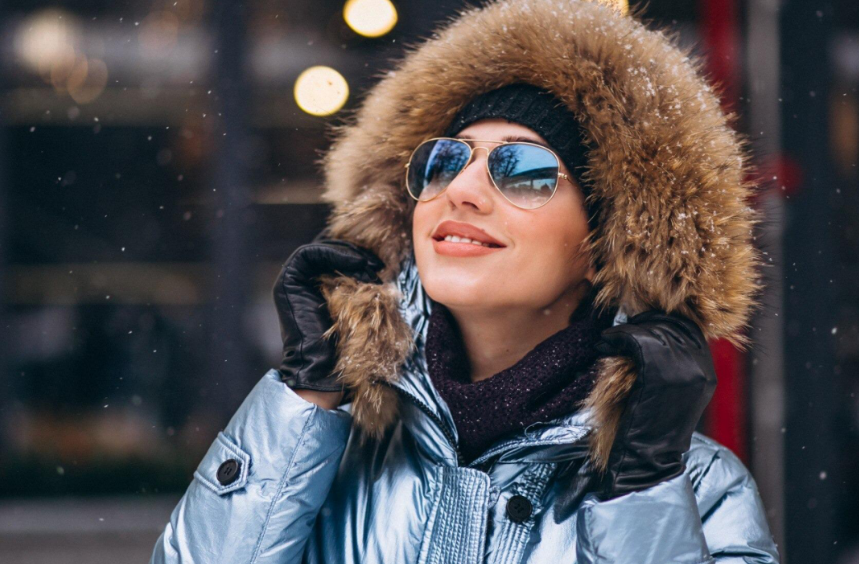
Winter sunshine can catch people off guard. There is a common idea that sunglasses are mainly for bright summer days, but the colder months can be just as tough on your eyes. Low sun angles, glare from wet roads, and reflections from snow or frost all make winter light surprisingly harsh. That is exactly why choosing the right polarised sunglasses or other winter-ready styles matters more than many people realise.
If you are trying to work out which sunglasses are best for winter, the answer depends on where you spend most of your time. A person driving through frosty mornings has different needs from someone walking in the city or heading to the mountains for a weekend away. Still, a few styles stand out for comfort, visibility and everyday practicality.
In this guide, we will look at the top 3 picks for winter sunglasses, what makes them useful, and how to choose the right pair without overcomplicating the process.
Why sunglasses matter in winter
Winter light behaves differently from summer light. The sun sits lower in the sky, so glare often shines straight into your line of vision, especially during early mornings and late afternoons. Add reflective surfaces such as snow, ice, puddles and even pale pavements, and your eyes can end up working harder than expected.
A good pair of winter sunglasses can help by:
- Reducing glare from roads, snow and water
- Improving comfort during bright but cold days
- Supporting clearer vision while driving
- Protecting your eyes from UV rays, which are still present in winter
- Preventing squinting, which can lead to eye strain and headaches
What to look for in winter sunglasses
Before getting into the top picks, it helps to know what features matter most. Not every pair marketed as winter sunglasses is actually suitable for winter conditions.
Key features to prioritise
- UV protection: Always choose lenses with full UVA and UVB protection
- Glare reduction: Particularly useful for driving and snowy settings
- Lens tint: Brown, grey, amber and rose tints can all work well depending on conditions
- Comfortable frame fit: A secure fit matters in windy weather
- Durability: Winter often means travel, outdoor activity and changing temperatures
Top 3 winter sunglasses at a glance
| Sunglasses type | Best for | Main benefit | Possible drawback |
| Polarised sunglasses | Driving, snowy walks, waterside areas | Strong glare reduction | Can make some digital screens harder to read |
| Gradient Sunglasses | City wear, commuting, mixed light | Balanced visibility in changing light | Less effective on heavy glare than polarised lenses |
| Wraparound tinted sunglasses | Outdoor sports, windy conditions, hiking | Extra coverage and protection | Sportier look may not suit everyone |
1. Polarised sunglasses
If you want one of the most reliable all-round choices for winter, this is it. Polarised lenses are designed to cut glare caused by light reflecting off flat surfaces. In winter, that can make a noticeable difference when driving on wet roads or walking near snow-covered ground.
Why they work so well in winter
The real benefit of polarised lenses is visual comfort. Instead of dealing with that sharp, blinding reflection that makes you narrow your eyes, you get a clearer and calmer view. That can be especially useful during:
- Frosty morning drives
- Bright days after snowfall
- Walks near lakes, rivers or coastal areas
- Outdoor activities where reflective surfaces are common
Who should choose them
Polarised sunglasses are a strong choice if you:
- Drive regularly in winter
- Live somewhere with frequent snow or ice
- Spend time outdoors during daylight hours
- Want less glare and better visual clarity
One thing to keep in mind is that polarised lenses can sometimes make dashboard displays or phone screens slightly trickier to see from certain angles. For most people, though, that is a small trade-off compared with the comfort they provide.
2. Gradient Sunglasses
Gradient Sunglasses are often overlooked, but they are a very practical option for winter, particularly for everyday use. These lenses are darker at the top and lighter towards the bottom, which helps shield your eyes from overhead brightness while still allowing clearer vision lower down.
Why they suit everyday winter use
Winter light changes constantly. You might be walking through bright open streets one minute and shaded areas the next. Gradient lenses can handle that sort of variation quite well. They are especially useful when you need a balance between sun protection and visibility.
Best situations for Gradient Sunglasses
They work well for:
- Urban commuting
- Casual daily wear
- Driving in mild winter sun
- Situations where full dark lenses feel too strong
They are also a good option if you prefer a slightly more refined, versatile look. In terms of style, they usually feel less sporty than wraparound frames and less intense than heavily tinted lenses.
That said, if you are dealing with strong reflected glare from snow or icy roads, they may not perform as well as polarised options.
3. Wraparound tinted sunglasses
For more active winter days, wraparound sunglasses with a suitable tint deserve a place on the list. They offer broader eye coverage, which helps protect against side glare, wind and cold air. If you spend time hiking, cycling or walking in exposed places, this style can be especially useful.
What makes them a strong winter pick
Wraparound frames sit closer to the face, which means they block more light from multiple angles. In winter, that can make a real difference because glare does not always come from directly ahead.
A brown, amber or rose-tinted lens often works well here because these shades can improve contrast and depth perception. That is helpful when the ground is uneven, snowy or partially frozen.
Best for outdoor activity
This type is ideal if you:
- Enjoy winter walks or hikes
- Cycle through colder weather
- Need extra eye coverage in windy settings
- Prefer a secure fit that stays in place
The only drawback is appearance. Some people find wraparound sunglasses a bit too sporty for everyday wear, so they may not be the best single pair if you want one style for everything.
How to choose the right pair for you
If you are still unsure which option makes the most sense, this quick guide can help.
Choose based on your routine
- For driving and glare-heavy conditions: Go for polarised lenses
- For daily city wear and flexible use: Try Gradient Sunglasses
- For sports and outdoor activity: Choose wraparound tinted sunglasses
Check these before buying
- Full UV400 protection
- A comfortable nose bridge and arm fit
- Lens tint that suits your environment
- Good optical clarity, not just dark lenses
- A frame shape that fits your face properly
Final thoughts
The best winter sunglasses are not always the darkest or the most expensive. They are the pair that matches how you actually spend your winter days. For most people, polarised lenses are the strongest all-round option because they handle glare so well. If your needs are more everyday and style-focused, Gradient Sunglasses are a smart and wearable choice. And if you are outdoors often, wraparound tinted frames give extra protection where standard styles fall short.
Winter may not seem like peak sunglasses season, but your eyes would probably disagree. A well-chosen pair can make cold, bright days far more comfortable and much easier to navigate.
